

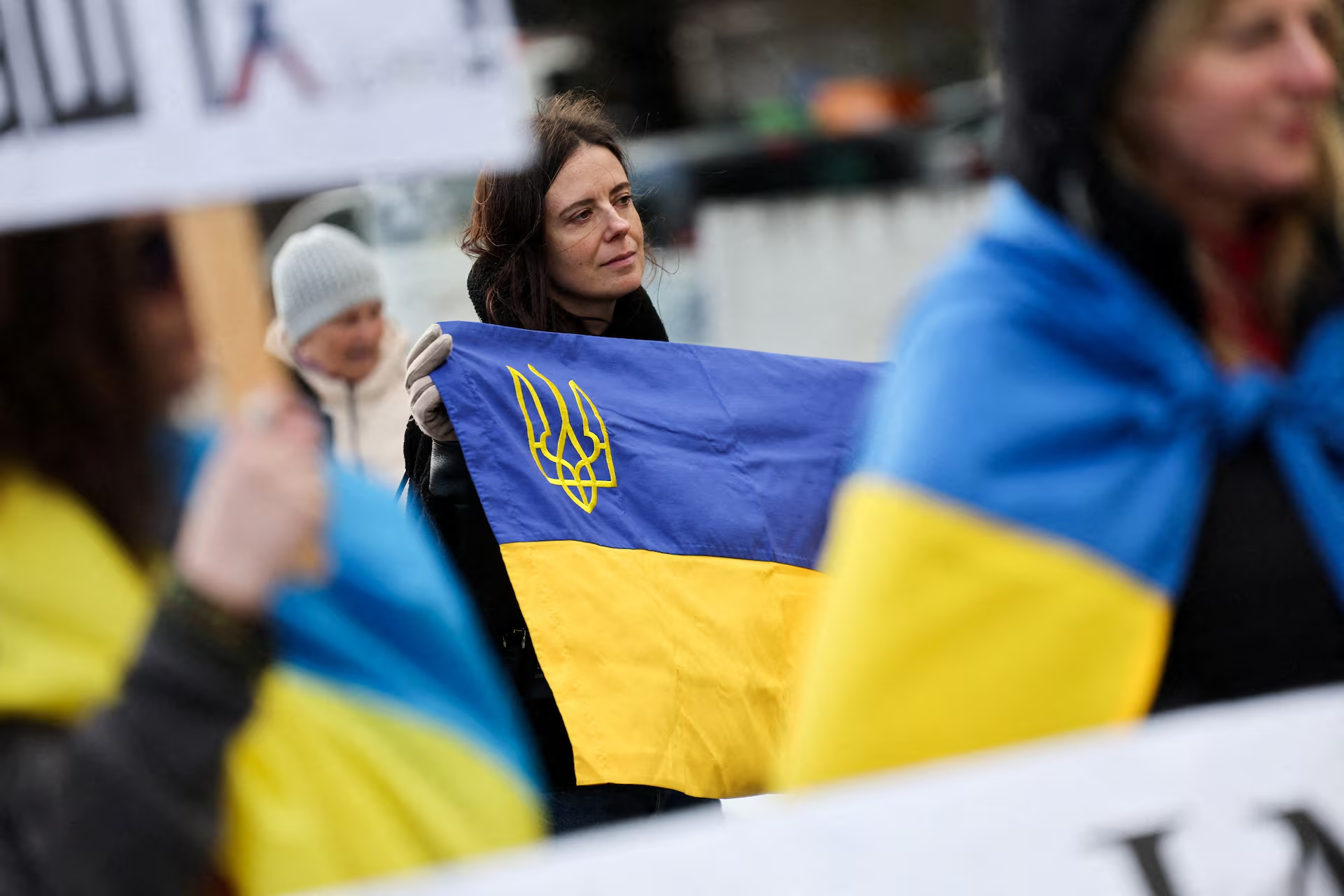
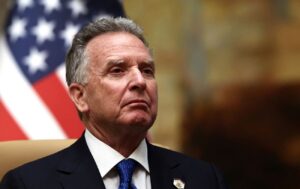
US special envoy Steve Witkoff has said that negotiations between Ukraine and Russia have produced “meaningful progress” toward ending the war, as delegations prepared to continue discussions for a second day in Geneva on Wednesday.
Despite the cautious optimism, expectations for a major breakthrough remain limited. Ukrainian President Volodymyr Zelensky expressed concern that Kyiv is being pressured to make concessions, arguing that a lasting peace cannot be achieved if the outcome effectively favors Russia.
The ongoing negotiations in Switzerland are part of a renewed diplomatic effort to reduce hostilities, with US President Donald Trump indicating that Ukraine must play a key role in ensuring the success of the talks. Notably, his recent remarks focused on Kyiv’s responsibilities without directly referencing Moscow’s position.
Mixed Signals from Diplomacy
Following the first day of negotiations, Witkoff stated on social media that bringing both sides together marked an important step forward. He credited the US-led diplomatic initiative for creating momentum and emphasized that progress had been made in efforts to halt the violence in the prolonged conflict.
Meanwhile, Zelensky has repeatedly warned that Ukraine is being asked to make disproportionate compromises compared to Russia. He stressed that any agreement should not come at the expense of Ukraine’s sovereignty or territorial integrity.
Currently, Russia controls around 20 percent of Ukrainian territory, including significant areas in the eastern Donbas region. The Kremlin has maintained its demand that Ukraine relinquish the remaining parts of the region, a condition Kyiv has firmly rejected.
Ukraine has also insisted that strong security guarantees from Western allies, particularly the United States, must be in place before any comprehensive peace settlement can be reached.
Ukraine’s Position on Peace Efforts
In recent remarks, Zelensky questioned the fairness of repeated calls for Ukraine to broker a deal, suggesting that such pressure could undermine the balance of negotiations. He expressed hope that these statements are part of diplomatic tactics rather than a fixed policy direction.
Ukrainian officials indicated that the first day of talks focused mainly on practical matters and the framework for potential solutions, rather than final political agreements. According to the country’s chief negotiator, discussions centered on the technical aspects of possible pathways toward ending the conflict.
In a video address, Zelensky also signaled Kyiv’s willingness to consider proposals aimed at reducing military escalation. He said Ukraine could be open to refraining from certain strikes, as suggested by the United States to both sides, underscoring that the country does not seek prolonged warfare.
“We do not need war,” Zelensky stated, reaffirming that Ukraine’s primary objective remains the defense of its independence and statehood. He added that Kyiv is prepared to move swiftly toward a fair and dignified agreement, while questioning Russia’s true intentions in the negotiations.
Structure of the Talks and Key Participants
The Geneva meetings represent the third round of trilateral negotiations involving Ukraine, Russia, and US mediation. The discussions are being facilitated by Witkoff alongside Jared Kushner, who is participating in the diplomatic process as part of the US delegation.
Russia’s negotiating team is led by Vladimir Medinsky, an aide to President Vladimir Putin. Reports suggest that the first session of talks lasted approximately six hours and included both bilateral and trilateral formats, reflecting the complexity of the issues being addressed.
Ongoing Conflict Overshadows Negotiations
The diplomatic talks are taking place just days before the fourth anniversary of Russia’s full-scale invasion of Ukraine, a milestone that underscores the prolonged nature of the conflict.
Meanwhile, hostilities on the ground have continued. Russia’s defense ministry reported that dozens of Ukrainian drones were intercepted across several regions and in Crimea overnight. Prior to that, Russian forces launched a large-scale aerial assault on Ukraine, targeting multiple regions with hundreds of drones and dozens of missiles. Ukrainian authorities said the strikes caused casualties and damage in several areas.
These ongoing military actions highlight the fragile environment surrounding the negotiations, as both sides engage in diplomacy while the conflict persists.
Although Witkoff’s comments suggest incremental diplomatic progress, deep divisions over territory, security guarantees, and the terms of a potential settlement indicate that a comprehensive peace agreement remains difficult to achieve in the near term.