

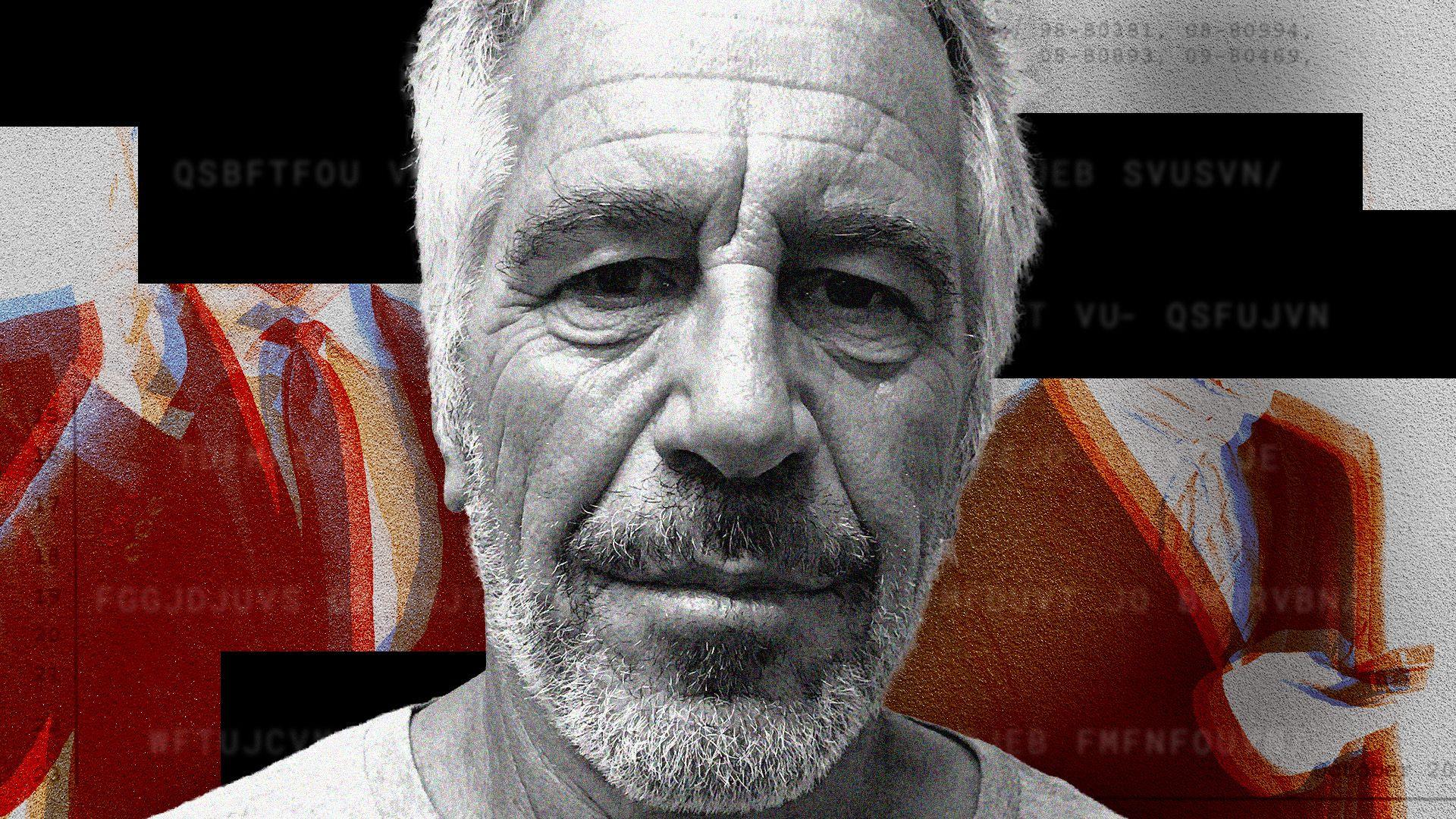
Years after Jeffrey Epstein death, two of his closest professional associates still hold extraordinary power over his money, records and the compensation process for survivors. Darren Indyke, Epstein’s longtime lawyer, and Richard Kahn, his longtime accountant, remain the co-executors of the estate, giving them control over how remaining claims are handled and what happens to key materials still tied to Epstein’s affairs. Reuters reported in February and March 2026 that Indyke and Kahn continue to oversee the estate and were central figures in a recent proposed $35 million settlement tied to claims that they helped enable Epstein’s trafficking operation, allegations they deny.
Their continued role has drawn renewed attention because they are not just former advisers. They were chosen by Epstein himself in August 2019, only days before his death, after he moved his wealth into a trust structure that they would help administer. That decision left them in charge of a vast estate that was estimated at roughly $635 million at the time of his death. Reuters has also reported that the estate later paid $105 million to settle claims with the U.S. Virgin Islands and more than $121 million through a victim restitution fund, with additional settlements paid on top of that.
Why they still hold power
The main reason Indyke and Kahn still control Epstein’s money and sensitive records is simple: they were named as the legal executors of the estate, and that authority has remained in place while claims are resolved. As co-executors, they have had a direct role in approving settlements, managing remaining assets and responding to document requests from investigators and lawmakers. Reuters reported that the 2024 class action against them sought to hold them personally accountable for allegedly helping Epstein hide abuse through a network of corporations and bank accounts, but the case moved toward settlement rather than trial.
That legal position has also helped them remain gatekeepers over potentially important information. According to reporting on the recent congressional scrutiny, the estate has supplied thousands of pages of material in response to subpoenas, but the executors still play a role in how those materials are handled. Their influence therefore extends beyond finances into the question of what the public, survivors and investigators may learn about how Epstein operated and who around him knew what. Reuters has documented that fresh Justice Department releases in 2026 have continued to expose financial and social links tied to Epstein’s network.

Allegations that have kept scrutiny on them
The reason their role is so controversial is that both men have long been accused in civil cases of doing more than routine professional work. In the 2024 class action, lawyers for survivors alleged that Indyke and Kahn helped Epstein build a complicated web of entities and accounts that allowed him to conceal abuse, move money and pay victims and recruiters while shielding the operation from scrutiny. Reuters said the lawsuit described them as being “richly compensated” for that work. Both men denied wrongdoing and settled without admitting liability.
Those accusations are not new. Reuters reported in 2021 that the U.S. Virgin Islands accused Indyke and Kahn of being central figures in Epstein’s trafficking network and alleged they helped facilitate coerced marriages that allowed some victims to remain in the United States. The two men denied those claims as baseless.
More recently, Reuters also reported that Morgan Stanley communications tied to Epstein-related trusts were handled primarily by Richard Kahn, underscoring how deeply involved he remained in Epstein’s financial structures even after Epstein had long been publicly known as a registered sex offender. Reuters said it found no evidence of wrongdoing by Morgan Stanley or the estate executors in that reporting, but the documents reinforced Kahn’s central role in managing Epstein-linked entities.
Compensation for survivors has not ended the questions
One reason the two men still matter is that compensation efforts for survivors have not fully closed the story. Reuters reported that the estate’s restitution program paid $121 million to victims and that another $49 million in settlements had also been paid. On top of that, the estate agreed in 2026 to a further settlement of up to $35 million to resolve claims brought by women who said Indyke and Kahn helped enable Epstein’s crimes.
That settlement may resolve some legal exposure, but it does not settle the wider public question of what these two men knew while Epstein was alive and why they remained in positions of trust for so long. Survivors and lawmakers have continued to press for answers, arguing that Epstein’s operation was too large and too structured to have been run by one man alone. The fact that his lawyer and accountant still control the machinery of the estate only sharpens that concern. This is an inference drawn from the continuing litigation and congressional interest around their role.
Why the issue remains so important
At the heart of the issue is a contradiction. Indyke and Kahn say they did nothing wrong, and no court has found them criminally liable. Yet they have remained the people with the most formal authority over the assets, documents and final financial consequences of Epstein’s empire, even while survivors and civil litigants have argued that they were part of the system that helped him function. Reuters’ recent coverage makes clear that their control has lasted because the legal structure Epstein created before his death put them there, and no final process has displaced them.
That is why the question keeps resurfacing. It is not only about who inherited administrative control. It is about why the same two insiders who were closest to Epstein’s money and paperwork still occupy the position from which restitution is paid, claims are settled and records are managed.