
After one week of war, many Iranians say they are living through a moment filled with contradictions. Some speak of hope that the country’s leadership could finally be weakened, while others fear the destruction, the loss of civilian life and the uncertainty of what may come next.
Accounts gathered from people inside Iran and from Iranians living abroad reveal a country caught between relief, grief, anger and anxiety. For some, the attacks on state targets have brought a sense of possibility. For others, the continued bombing has raised serious questions about the real purpose of the war and the cost ordinary people are being forced to pay.
Celebration for some, fear for many
Hamid, whose name has been changed for safety reasons, said he felt intense joy when he heard reports a week earlier that Iran’s Supreme Leader Ayatollah Ali Khamenei had died. Speaking through a cousin in the United Kingdom, he said he, his wife and daughter went outside their home in Tehran to celebrate.
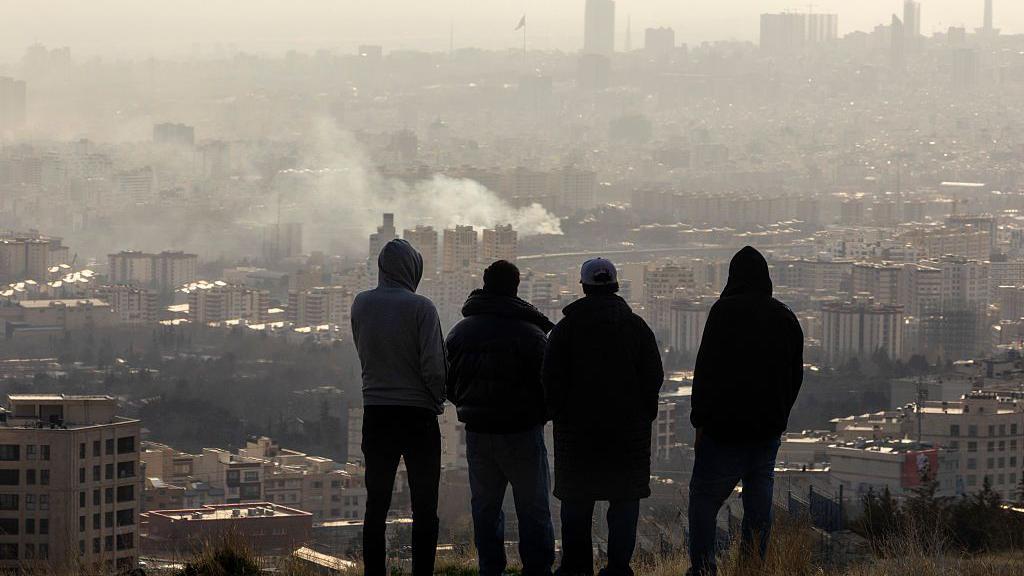
Over the following days, as US and Israeli strikes hit buildings across the capital, the family reportedly watched the bombardment from their rooftop. Hamid said they cheered whenever they believed a regime-linked target had been hit.
He said many people like him now feel a new sense of hope that the current leadership could eventually fall.
But that view is far from universal.
Because of strict internet controls, fear of arrest and the risks of speaking openly in a tightly controlled state, it remains difficult to measure public opinion across Iran’s population of around 90 million people. Many residents are unwilling to be identified, worried that any criticism of the authorities could put them or their relatives in danger.
Doubts grow as war drags on
While some continue to support attacks on regime targets, others are becoming more uneasy as the conflict continues.
Ali, one of those interviewed, said he does not believe the war is being fought to bring democracy or freedom to the Iranian people. In his view, the conflict mainly serves the regional and political interests of Israel, the United States and some Arab governments.
Mohammad, a man in his 30s living in Tehran, said he had hoped the United States and Iran would reach an agreement that could prevent war. He admitted he once thought he might feel satisfaction at Khamenei’s death, but instead said he felt nothing.
Now, he says, uncertainty dominates his thoughts. With airstrikes overhead and checkpoints on the ground, he feels trapped by fear and unsure about the future.
Between relief and sorrow
Other Iranians described their emotions as deeply mixed. One woman said the situation is too complicated to explain unless someone has lived in Iran for decades.
She said many people feel a strange combination of relief when the regime is hit and deep worry when civilians, including children, are killed and vital infrastructure is damaged. That tension, she explained, reflects the emotional reality many Iranians are now living with.
There are no reliable public opinion polls inside Iran, but many citizens appear to resent a government they blame for years of hardship and repression. Even so, opposition to the regime does not mean unity over the war itself. Some welcome outside military pressure, while others deeply distrust the motives behind it.
Saeed, another Iranian who spoke to reporters, accused the US administration of dishonesty and said he believes the assault on Iran was driven largely by Israeli interests.
Civilian suffering casts a darker shadow
Supporters of the regime have been heard from less frequently than its critics. At the same time, the voices of those suffering the greatest losses are still often missing from public discussion.
Among the deadliest reported incidents of the war was a strike on an elementary school in Minab on 28 February, where children were killed. It remains one of the most devastating known attacks so far.
Several Iranians told journalists that after 47 years under the Islamic Republic, they feel so desperate for change that even a destructive war now appears to them as a possible path to freedom. Yet this hope is increasingly colliding with the rising toll on civilians.
Hamid’s cousin in the UK, one of millions of Iranians living in exile, summed up that painful contradiction in a message sent last Saturday. She said she hated war and did not want innocent people harmed, but also felt overwhelming joy at the thought that freedom from the ruling clerics might finally be possible.
As the week came to an end, however, communication with Hamid became difficult. His cousin said she could no longer reach him, but added that in her view the strikes should continue until their objective is complete.
Trauma deepens as casualties rise
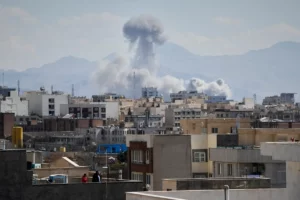
Even among those who oppose the government, concern is growing over civilian casualties. Reports indicate that many non-combatants, including children, have been killed in a country with no bomb shelters and limited warning systems.
According to the US-based Human Rights Activists News Agency, more than 1,000 civilians have been killed so far, including nearly 200 children.
The war has also reopened older wounds. Many Iranians are still traumatised by earlier state crackdowns in which security forces fired on unarmed protesters during nationwide unrest. For some families, the pain of those losses is now being compounded by fresh deaths from airstrikes.
Saman, also using a false name for safety, said he personally knew six people killed by security forces in Isfahan during earlier unrest. This week, he said, two of his own relatives were killed in separate strikes in Tehran.
In a message sent near the end of the week, he described the atmosphere in Isfahan as terrifying and said he had seen scenes of devastation he never imagined would become part of daily life.
From hope to exhaustion
Journalists gathering testimony from inside Iran say some opinions have shifted as the war has gone on longer than many expected. Some people initially believed the conflict might quickly end after the death of Khamenei, but now say they are simply drained.
One woman in her 20s in Tehran said she had felt ecstatic when the supreme leader was targeted. Six days later, her feelings had changed. She no longer described herself as happy or sad, only tired.
That sense of exhaustion may now define the mood of many Iranians more than any single political position. After a week of war, the country’s emotions remain divided, but the weight of fear, grief and uncertainty is becoming harder to ignore.