

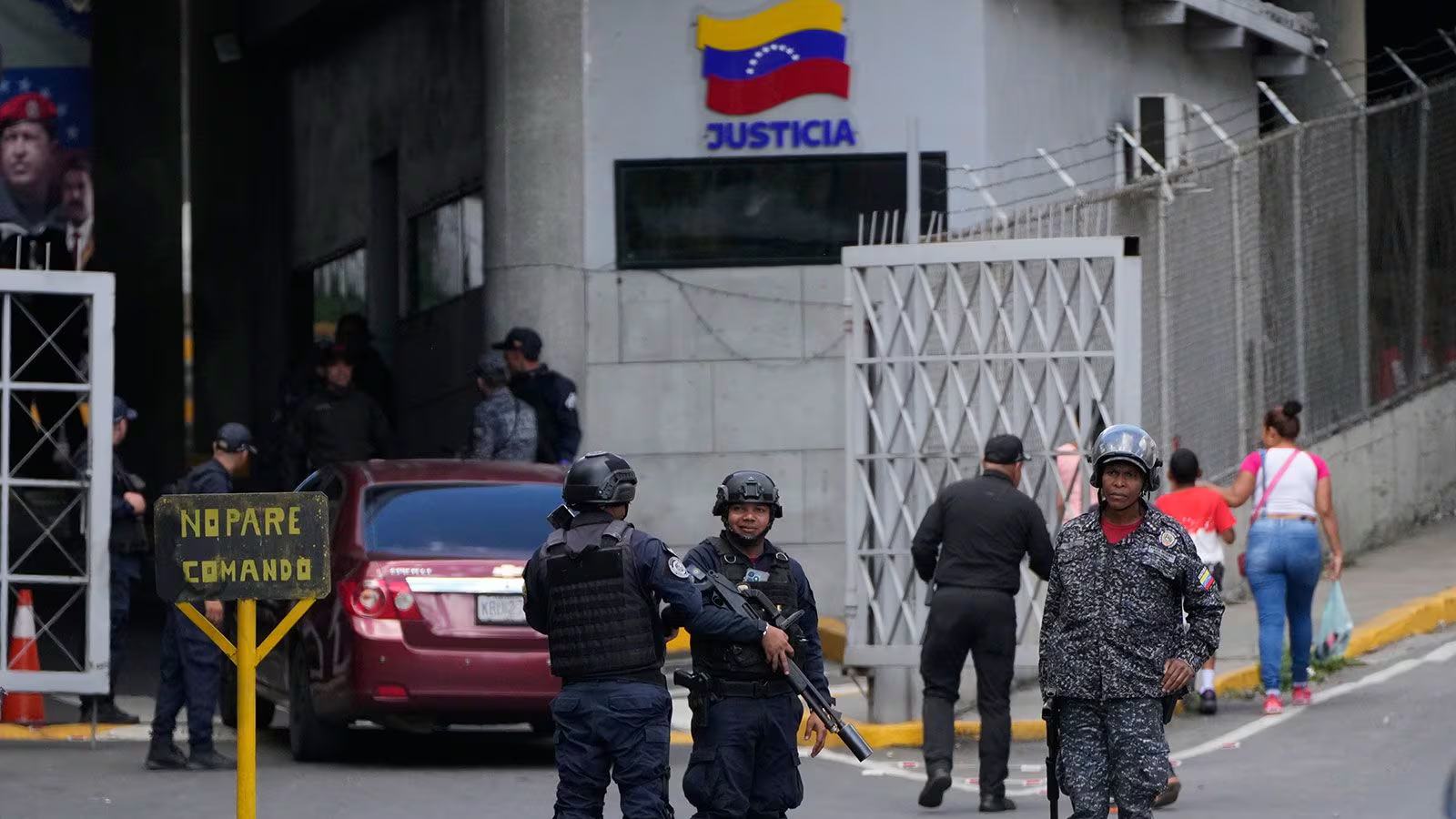
Venezuela has begun freeing a small number of high-profile detainees, including opposition politicians, in what the government describes as a move to “seek peace,” less than a week after a US operation that captured President Nicolás Maduro.
As of Friday afternoon, at least nine people had been released, according to the human rights group Penal Forum—a figure that represents just over one percent of the country’s known political prisoners.
Emotional scenes played out late Thursday as newly freed detainees reunited with family members. Videos shared online and verified by CNN Español showed tearful embraces following their release.
Among those freed were Enrique Márquez, a former presidential candidate, and Biagio Pilieri, a businessman and former lawmaker. Both had been held at El Helicoide, a notorious detention centre in Caracas.
“They were taken out in vehicles and dropped off far from El Helicoide,” a CNN Español reporter said.
Relatives and supporters gathered at Plaza Altamira in Caracas’s Chacao district, where Márquez was seen smiling as he hugged loved ones upon arrival.
Government frames releases as unity move
National Assembly President Jorge Rodríguez said the releases were already under way and would include both Venezuelan citizens and foreign nationals, though he did not specify numbers or names.
Speaking on state broadcaster TeleSur, Rodríguez said the step was intended to promote “national unity.”
The announcement came days after the United States carried out a dramatic raid to capture Maduro and transfer him to New York to face drug-trafficking charges. Since then, US officials have been working to shape a transitional political arrangement in Venezuela and have pressed for the release of political prisoners, according to a source familiar with briefings to US lawmakers.
Foreign nationals among those freed
Following Rodríguez’s remarks, Spain’s foreign ministry confirmed that five Spanish nationals—one of whom holds dual citizenship—had been released and were returning home.
“They will soon be reunited with their families,” Spanish Foreign Minister José Manuel Albares said in a post on X, adding that he had spoken directly with those freed.
Madrid welcomed the decision as a constructive step during what it called a new phase for Venezuela.
Days before Maduro’s capture, a US official said Venezuelan authorities had detained at least five Americans in recent months, possibly as leverage. It remains unclear whether any of them are included in the current releases.
Penal Forum director Alfredo Romero said the organisation was verifying each case as releases continued.
Opposition reaction and remaining detainees
Opposition figure Juan Pablo Guanipa had not been freed as of Friday, though Romero said he expected his release. Guanipa, a former National Assembly member and close ally of opposition leader María Corina Machado, was detained in May 2025.
At the time, Interior Minister Diosdado Cabello alleged—without providing evidence—that Guanipa was involved in a plot against elections scheduled that month.
The Committee for the Liberation of Political Prisoners in Venezuela (CLIPPVE) urged authorities to act quickly and transparently in releasing remaining detainees.
“There is still a lack of clarity and excessive discretion in how these releases are handled, which deepens the anguish of families and prisoners,” the group said.
Longstanding concerns over repression
Venezuela’s opposition and foreign governments have long accused the Maduro administration of jailing political opponents. Caracas has repeatedly dismissed such claims as biased and politically motivated.
After the disputed 2024 presidential election, which international observers criticised as undemocratic, more than 2,000 people were detained during a subsequent crackdown, according to Amnesty International.
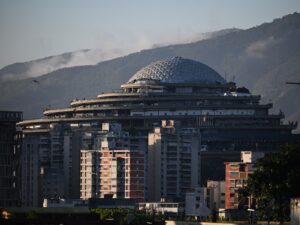
Penal Forum estimates that 863 political prisoners remained behind bars as of early January, many of them held at El Helicoide—a structure originally intended as a shopping centre that now serves as the headquarters of Venezuela’s intelligence services.
A 2025 investigation by Human Rights Watch found that many political detainees were held incommunicado for extended periods and denied access to lawyers and relatives. HRW’s Americas director, Juanita Goebertus, described the findings as evidence of severe repression.
Uncertainty after Maduro’s removal
Since Maduro’s removal, fears have grown that interim leader Delcy Rodríguez could maintain or intensify such practices. Earlier this week, authorities issued a decree granting sweeping powers to the presidency and ordering security forces to arrest anyone suspected of supporting the US operation.
Families of detainees reported that visitation rights were suspended and communication cut off following the decree.
After news of the releases emerged, relatives gathered outside El Helicoide, hoping for updates. Atali Cabrejo, whose son is an opposition party coordinator, said officials offered no information.
“What we know is only what we’ve seen in the media,” she told Reuters.
While the initial releases have been welcomed by families and foreign governments, rights groups say the scale and transparency of the process will determine whether the move marks a genuine shift—or a symbolic gesture amid mounting international pressure.