

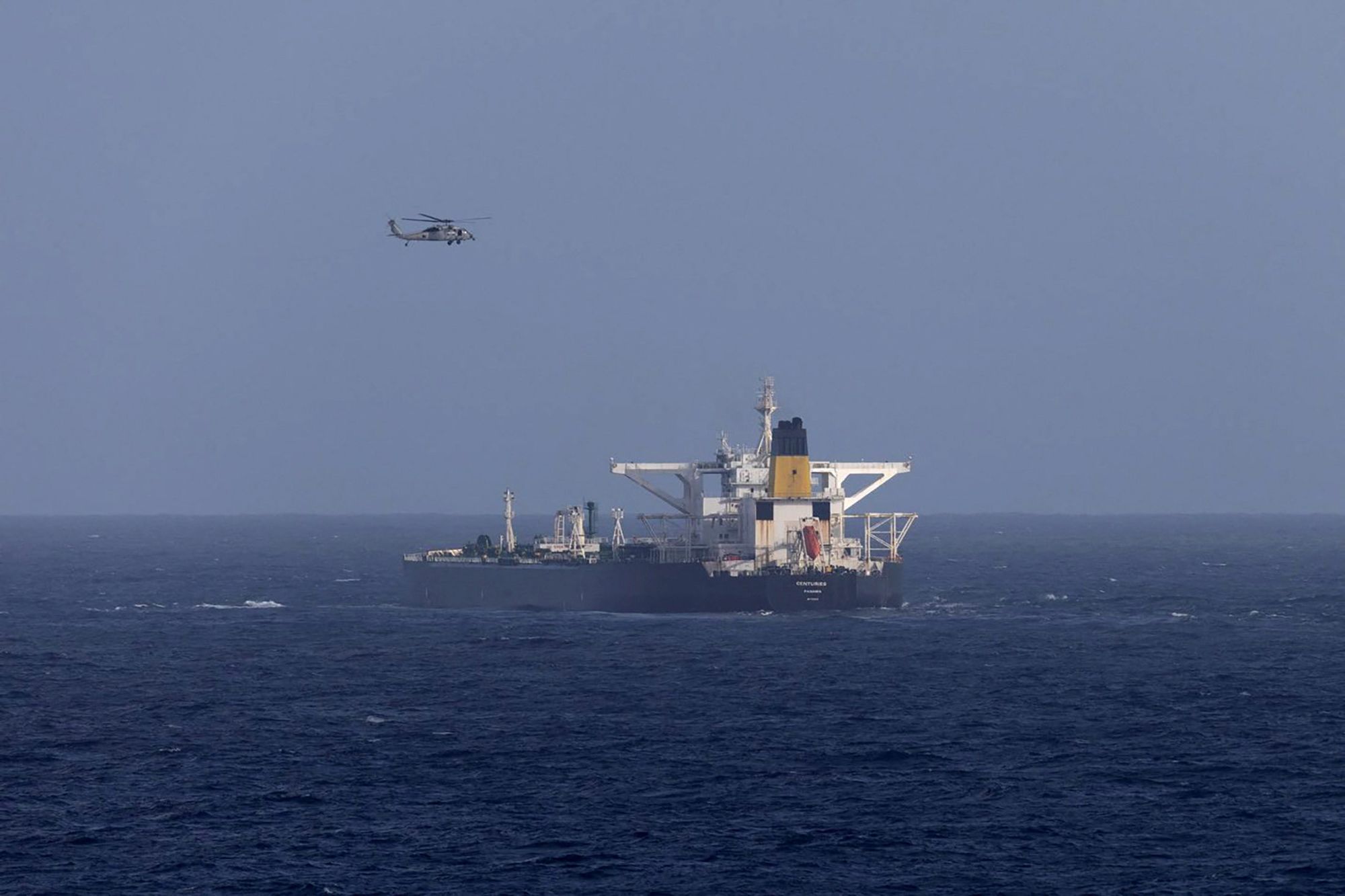
The recent US military operation that led to the capture of Venezuelan President Nicolás Maduro was intended to send a broader geopolitical message — particularly to China — according to current and former US officials.
Beyond removing Maduro from power, the operation was designed to signal that Washington does not want Beijing expanding its strategic presence in the Western Hemisphere, officials told Reuters.
For more than two decades, China has steadily increased its footprint across Latin America, combining infrastructure investment, energy financing, and military cooperation to gain influence close to the United States.
China’s Expanding Role Has Long Frustrated Washington
China’s activities in the region range from satellite tracking facilities in Argentina to port investments in Peru and extensive economic backing for Venezuela. These moves have unsettled successive US administrations, including that of President Donald Trump.
Trump administration officials said the decision to act against Maduro was partly driven by a desire to counter China’s leverage in Venezuela, particularly Beijing’s long-standing practice of providing loans in exchange for discounted oil shipments.
One official said the raid marked the end of China’s ability to secure cheap Venezuelan crude under sanctions.
‘We Don’t Want You There’: Trump’s Message
Trump made his position explicit during a meeting with oil executives last week, expressing unease over both China and Russia operating close to US borders.
“We like you, we get along with you — but we don’t want you there,” Trump said, referring to China and Russia’s presence in the Americas. He added that China would instead be welcome to purchase oil directly from the US or US-backed suppliers.
Following the raid, Trump said tens of millions of barrels of previously sanctioned oil — much of it once destined for Chinese ports — would now be redirected to the United States.
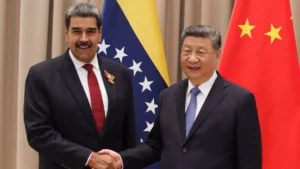
Blow to China’s Prestige and Capabilities
US officials described the operation as a setback for China’s regional ambitions. Air defense systems supplied to Venezuela by China and Russia were quickly neutralized during the raid, exposing what analysts called the limits of Beijing’s power projection in the Americas.
Craig Singleton of the Foundation for Defense of Democracies said the incident highlighted the gap between China’s global rhetoric and its actual ability to protect partners when Washington applies direct pressure.
“China can protest diplomatically, but it lacks the means to shield allies once the US intervenes,” he said.
China Pushes Back, Rejects US Claims
In response, the Chinese embassy in Washington condemned the US action as unilateral and illegal. Spokesperson Liu Pengyu said China would continue cooperation with Latin American and Caribbean nations regardless of US pressure.
The White House declined to comment, but a senior administration official said China should reassess its assumptions about influence in the Western Hemisphere, noting that regional partners may question Beijing’s reliability.
Timing Added to Beijing’s Embarrassment
The operation’s timing further compounded China’s setback. Just hours before his capture, Maduro met publicly with China’s special envoy to Latin America, Qiu Xiaoqi, in Caracas.
US officials said the highly public nature of that meeting suggested Beijing had no advance warning of the raid.
“If China had known, that meeting wouldn’t have happened so openly,” one official said.
Broader Regional Implications
China has invested heavily in Venezuela’s oil infrastructure since Western sanctions intensified in 2017 and has supplied military equipment, including radar systems advertised as capable of detecting advanced US aircraft.
Those systems failed to prevent the raid, prompting analysts to say other countries using Chinese defense technology may now be questioning its effectiveness.
China is also facing increased US scrutiny elsewhere in the region, including in Cuba and around the Panama Canal. US officials remain wary of Chinese-linked port operations near the canal, a critical global trade route.
Risks of a Prolonged US Presence
While the raid has placed China on the defensive, analysts caution that prolonged instability in Venezuela could create new openings for Beijing.
Daniel Russel of the Asia Society said Washington’s shift under Trump toward a more explicit “spheres of influence” approach could ultimately benefit China.
“Beijing wants the US to accept Asia as China’s domain,” Russel said, adding that prolonged US entanglement in Venezuela could work in China’s favor.
As global competition intensifies, the Venezuela operation underscores how Latin America has once again become a focal point in US–China rivalry — with long-term consequences still unfolding.