

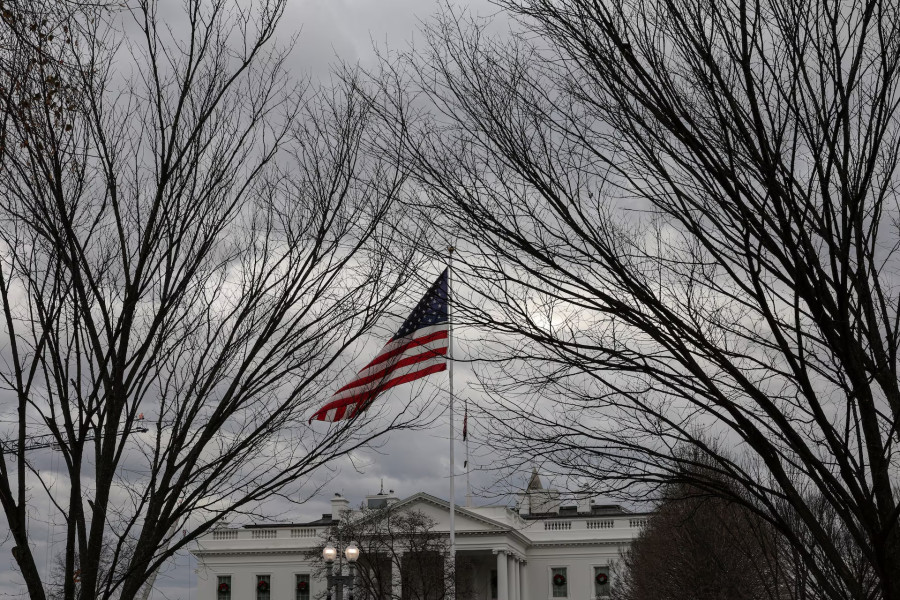
The White House has directed U.S. military forces to prioritize enforcing a maritime “quarantine” of Venezuelan oil for the next two months, according to an official who spoke to Reuters. The instruction highlights a strategic shift: Washington plans to rely more on economic restrictions, especially sanctions, than on direct military intervention to pressure the government in Caracas.
The official, speaking anonymously on Wednesday, confirmed that while military options remain available, the current priority is tightening economic measures. “The objective is to apply sanctions pressure first before considering escalation,” the official said, noting that this approach reflects the administration’s broader political goals in the region.
President Donald Trump has recently hinted that Maduro stepping away from power would be a wise move, though he has avoided giving detailed public statements on his exact plans for Venezuela. However, Reuters previously reported that Trump has privately urged Venezuelan President Nicolás Maduro to leave the country. Trump also stated earlier this week that political change would be the most practical path forward for Venezuela.
The U.S. official warned that the continued sanctions and maritime monitoring could lead to severe economic consequences for Venezuela unless the government agrees to significant concessions. “The expectation is that by late January, Venezuela will be on the brink of economic collapse if negotiations do not move forward,” the official added.
This month, U.S. authorities have already intercepted two tankers carrying Venezuelan crude in the Caribbean. Reports suggest the Coast Guard is preparing to take action against a third vessel linked to sanctioned oil operations. A seizure attempt on Sunday involving the empty sanctioned ship Bella-1 was postponed while additional support forces were organized.
The White House’s use of the term “quarantine” has prompted comparisons to language used during the 1962 Cuban missile crisis, when the U.S. avoided calling its maritime action a “blockade,” which would have been considered a formal act of war. The phrasing appears to reflect a similar intention—strategic pressure without triggering official military escalation.
Economic Pressure Over Military Escalation
President Trump has repeatedly linked Venezuela to increased drug trafficking into the U.S., claims that have been used to justify expanded maritime operations in the Caribbean. The administration has also floated the possibility of targeting land-based infrastructure tied to oil or drug operations, while reportedly authorizing covert intelligence activity involving the CIA. Despite this, diplomats and international mediators continue to stress that the current U.S. strategy remains anchored in economic containment, not open military confrontation.
Venezuela’s U.N. Ambassador Samuel Moncada pushed back on Washington’s narrative on Tuesday, saying, “The real source of instability in the region is not Venezuela, but U.S. government pressure.” His comments came as the United States announced it would impose and enforce sanctions “to the maximum legal extent” at the United Nations.
The U.S. military currently has a sizable presence across the Caribbean, including thousands of troops, warships, and aircraft. Analysts note that while some assets can assist with maritime monitoring, others are not optimized for sanctions enforcement. Still, the White House has publicly stated that sanction pressure will continue to expand, a signal that the core strategy remains economic rather than military.
Regional mediators and global organizations continue to push for dialogue, emphasizing that negotiations—not force—remain the most sustainable path toward political and economic stability in Venezuela.