

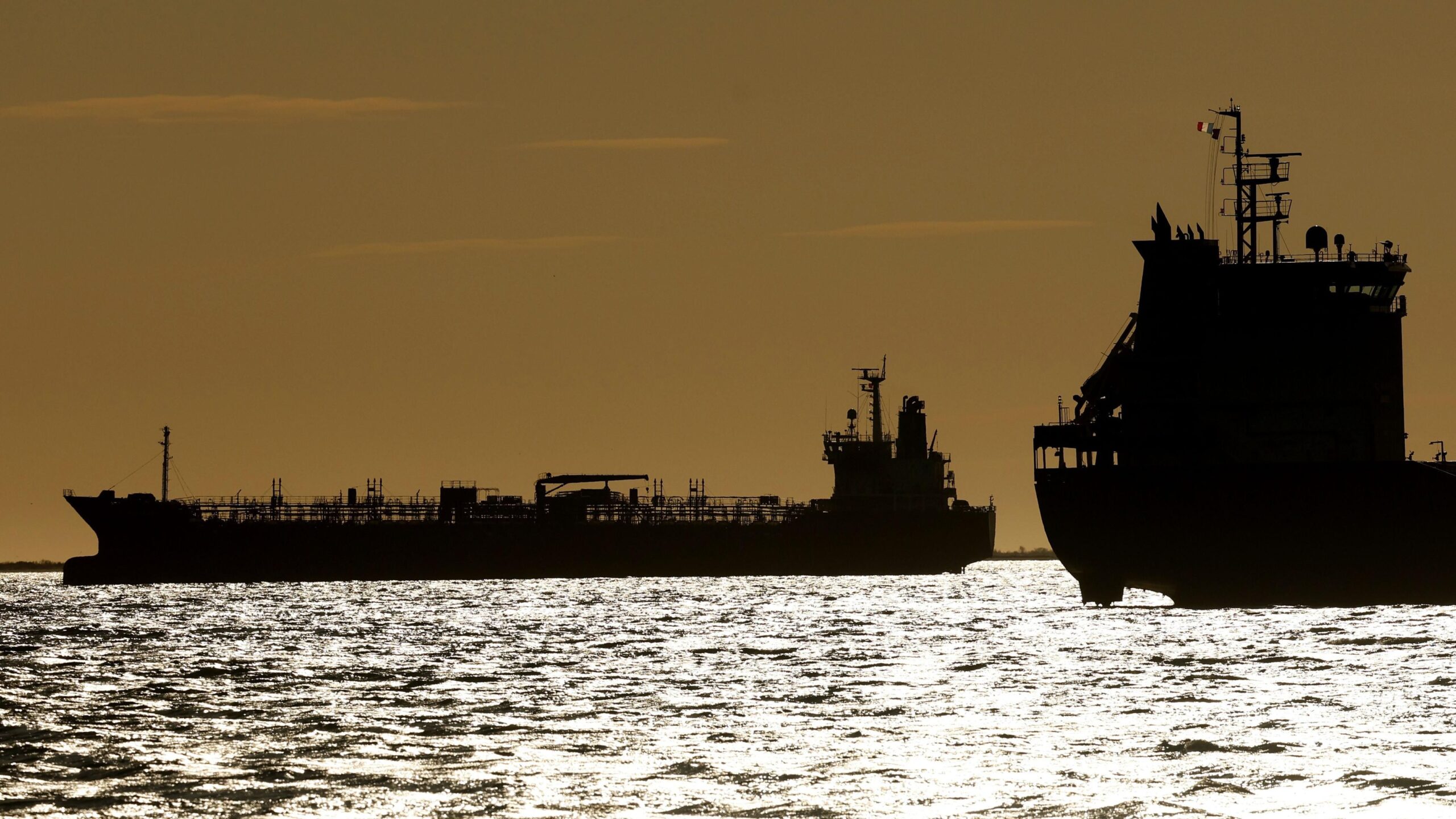
The United States has taken the unusual step of easing sanctions on part of Iran oil exports as it tries to reduce the impact of the war on global energy markets. Treasury Secretary Scott Bessent announced a limited, short-term authorization allowing the sale of Iranian crude and petroleum products already loaded on ships. The measure is designed to bring more supply into the market at a time when oil prices have jumped sharply.
According to the Treasury Department, the authorization applies only to Iranian oil already at sea and will remain in effect until April 19. Bessent said the step could quickly add around 140 million barrels to world markets, offering some relief as governments and traders deal with supply disruption linked to the war.
A Major Policy Shift With Unclear Results
The decision represents a striking break from Washington’s long-running sanctions policy toward Tehran. For years, US restrictions were meant to cut off Iran’s oil income and limit its access to global markets. Now, with fuel prices climbing and shipping routes under pressure, the administration is trying to use those same barrels to ease the market squeeze.
Even so, the effectiveness of the move remains uncertain. Energy analysts have warned that the waiver is unlikely to dramatically reduce prices on its own, especially while the Strait of Hormuz remains severely disrupted. Reuters reported that some experts see the decision as a sign that Washington is running out of economic tools to control prices during the conflict.
Questions Over Who Benefits
Before the war, much of Iran’s sanctioned oil was sold at a discount, with independent Chinese refiners among the main buyers. Bessent has argued that allowing the stranded cargoes to reach a broader market could redirect supply to countries needing oil while reducing China’s advantage from discounted Iranian barrels.
But major questions remain about where the money from those sales will ultimately go. Reuters reported that Bessent said Iran would have difficulty accessing the revenue because the US would maintain pressure on Tehran’s financial system. Still, outside experts have warned that in practice it may be difficult to fully prevent proceeds from benefiting the Iranian state.
That concern has fueled criticism of the policy. Opponents argue that easing oil restrictions during wartime could end up helping the same government Washington is trying to weaken. Supporters, on the other hand, say the release of stranded cargoes is a temporary emergency step aimed at stabilizing prices rather than rebuilding Iran’s energy trade.
Supply Shock Adds Pressure
The oil market has been shaken by the broader conflict. Reuters reported that prices have climbed about 50% since the US and Israel launched attacks on Iran on February 28, 2026. At the same time, energy infrastructure in Iran and neighboring Gulf states has come under pressure, while the Strait of Hormuz — a key route for a large share of the world’s oil and liquefied natural gas — has been effectively closed by Iranian actions.
Because of that disruption, the White House has been searching for additional supply from several directions. Besides the Iran waiver, the administration has also released oil from the Strategic Petroleum Reserve. Reuters reported on March 20 that the US lent 45.2 million barrels from the reserve in an initial batch, part of a wider effort to exchange up to 172 million barrels this year and next.
Washington also recently eased some restrictions tied to Russian oil and temporarily adjusted shipping rules to help move more fuel. Taken together, these actions show how urgently the administration is trying to limit the economic fallout from rising energy costs.
Relief May Be Limited
Despite the new waiver, analysts caution that the real market impact may be modest. Extra barrels already floating at sea can help for a short period, but they may not be enough to offset a major supply shortfall if regional shipping remains blocked or damaged for longer. Reuters noted that the administration itself sees the added oil as a way to help for only around 10 to 14 days.
That means the temporary authorization could buy time, but not solve the deeper supply problem. As long as war risks continue to disrupt transport and production, markets are likely to remain tense and fuel costs may stay elevated.
A Risky Balancing Act
The US is now trying to balance two competing goals: keeping pressure on Iran while preventing a full energy shock from harming consumers and businesses. The decision to temporarily loosen sanctions on oil already at sea reflects that difficult trade-off.
For now, the move may provide a limited boost to supply and a short-term signal to markets. But with war still affecting shipping, oil flows, and regional infrastructure, the broader outlook remains uncertain.