

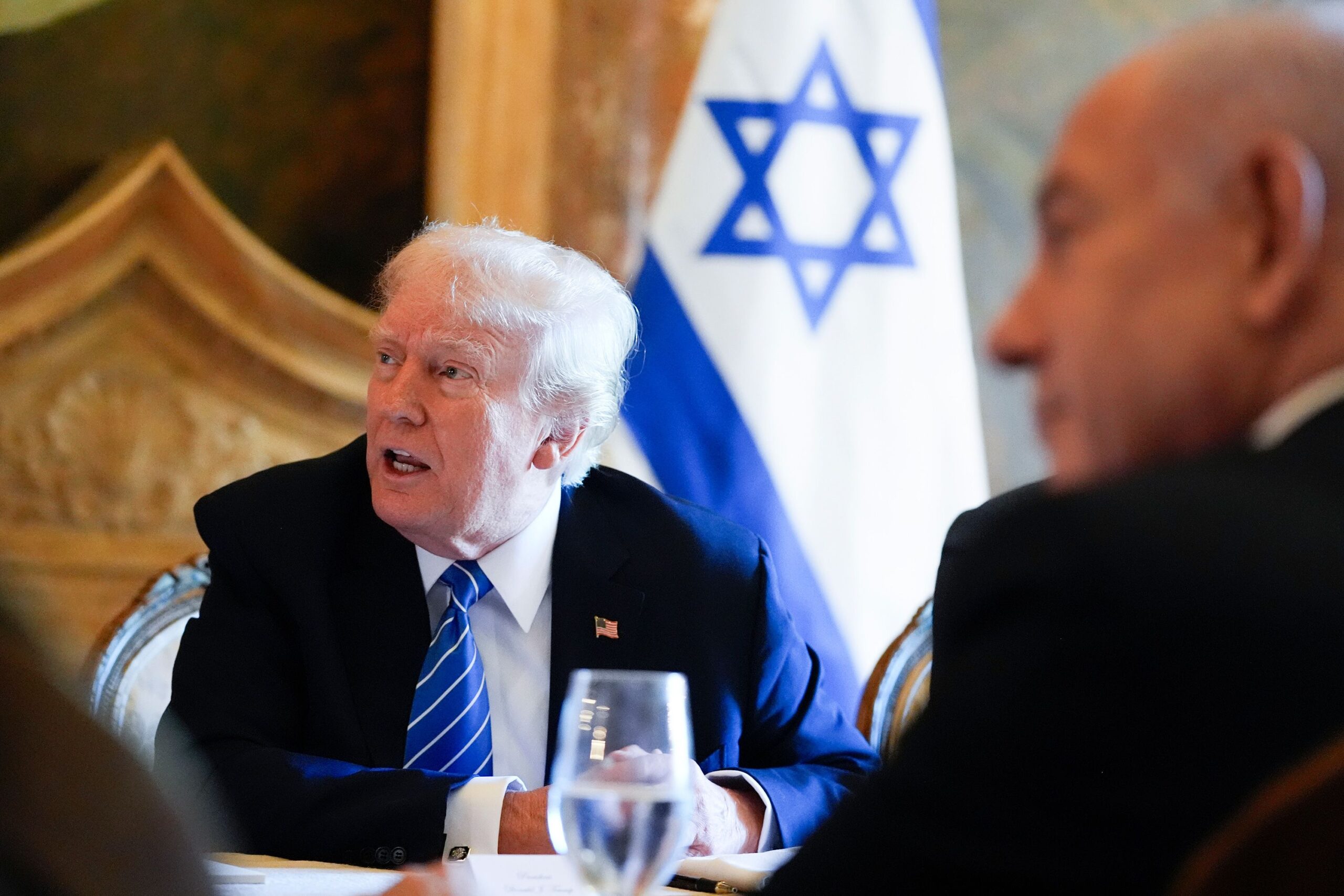
U.S. President Donald Trump delivered a series of diplomatic warnings on Monday after holding extended discussions with Israeli Prime Minister Benjamin Netanyahu at the president’s Florida estate. Their talks centered on the Gaza ceasefire process and long-term regional security, including concerns about Iran and Lebanon-based groups.
Trump urged Hamas to honor the disarmament terms previously discussed during ceasefire negotiations, while stressing that the United States will continue monitoring any potential expansion of Iran’s nuclear activities.
“We are closer to progress, but this process is not simple,” Trump said, confirming that negotiation teams from the U.S., Ukraine, and Europe will continue meeting in the coming weeks.
Gaza Ceasefire and Regional Focus
The current ceasefire framework in Gaza, initiated in October 2024, involves humanitarian access, phased withdrawals, and structured diplomatic steps. Hamas has previously stated it will not fully disarm without broader political conditions being addressed, while signaling openness to long-term negotiations.
Iran has repeatedly denied pursuing nuclear weapons and maintains that its defense systems and missile programs are not part of diplomatic bargaining. Regional analysts say these issues remain key pressure points in broader Middle East diplomacy.

Pacific Maritime Operation Confirmed
On the same day, U.S. defense officials confirmed that a separate maritime enforcement operation in the eastern Pacific resulted in casualties among armed suspects linked to drug boat activities. Authorities emphasized the action was part of an anti-smuggling security operation in international waters, not a land-based military campaign.
Phone Call With Putin Precedes Talks
Trump also confirmed he held a long phone discussion with Russian President Vladimir Putin earlier on Monday. The sequence echoed past diplomatic patterns, where Putin’s perspective is shared ahead of high-level negotiations involving U.S. partners. This time, however, Trump praised the diplomatic tone of the meeting with Zelensky, describing it as constructive.
Calls for De-Escalation at Home and Abroad
International organizations and diplomatic bodies, including the European Union, have urged respect for national sovereignty in regional conflicts. Rights groups continue to highlight the importance of negotiation transparency and civilian safety in all diplomatic agreements.
U.S. Strategy Shifts Under Debate
The statements were delivered weeks after Washington released its National Security Strategy, which signaled a possible future shift of foreign policy focus toward the Western Hemisphere. Some experts warn that renewed hostilities in the region could lead to wider escalation if diplomacy fails.
Think tank leaders and political scholars continue calling for peaceful negotiation paths to take priority over military confrontation, emphasizing that sustained diplomacy is the safest way forward.