

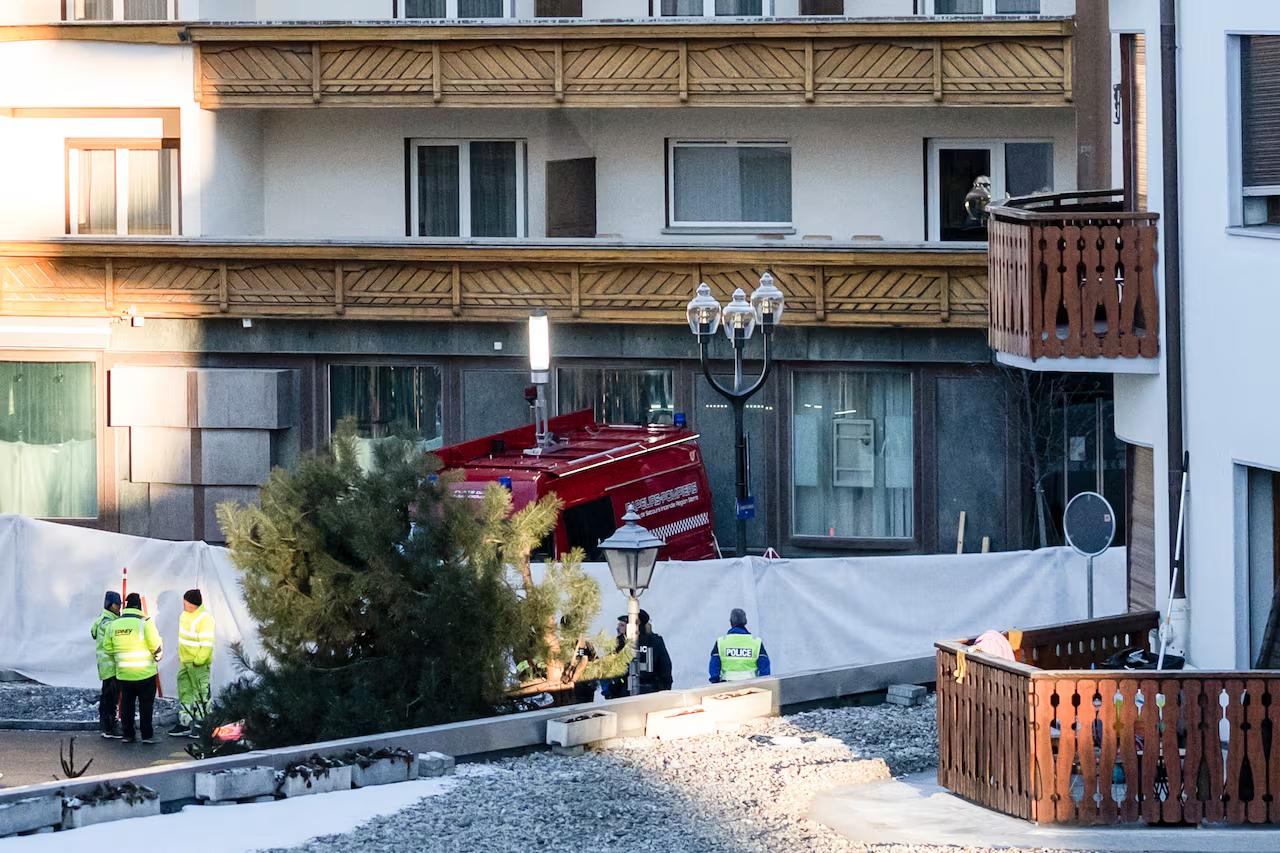
Swiss authorities confirmed on Friday that a fatal fire at a popular ski-resort bar in Crans-Montana escalated within moments into a flashover, a high-risk fire phenomenon where most flammable objects inside a room ignite in near-unison.
According to Béatrice Pilloud, Attorney General of Valais canton, early findings suggest the blaze may have started when sparkler-style candles attached to champagne bottles were raised too close to the foam-insulated basement ceiling, an area previously renovated for acoustic purposes.
A flashover develops when heated gases accumulate near the ceiling and expand outward, raising temperatures until nearby materials reach their ignition threshold, according to guidance from the U.S.-based National Fire Protection Association (NFPA). The event can unfold extremely fast, often giving little time before conditions intensify.
Backdraft and Ventilation Patterns Also Under Review
Officials noted that a backdraft, a sudden combustion event that can occur when oxygen enters a space filled with superheated gases, is also being evaluated as a possible factor that influenced the fire’s accelerated spread.
Independent fire safety consultant Stephen MacKenzie, speaking to international media on Friday, explained that flashovers can produce waves of dense smoke that travel sideways across a ceiling while warming surfaces ahead of the fire’s movement.
The fire may have also triggered a vertical airflow reaction when doors or openings were accessed during evacuation, creating what experts call a chimney-style ventilation pattern, which can intensify upward gas movement and accelerate oxygen intake.
MacKenzie estimated that flashovers can develop in a very short span, stating, “We’re talking about a window that can range from seconds to a few minutes.”
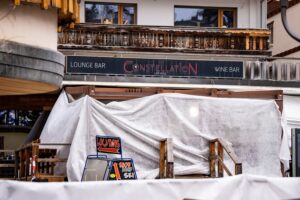
Hospitals Report Conditions Consistent With Flashover Patterns
Medical teams at Geneva University Hospitals (HUG) confirmed that several patients receiving emergency care showed injury patterns consistent with exposure to extreme indoor fire escalation events like flashovers or ventilation-driven combustion reactions.
A hospital spokesperson said Friday, “Many of our patients were likely exposed to rapid fire ignition conditions inside a confined basement space, typical of flashover development.”
Dr. Robert Larribau, head of emergency response at HUG, stated that flashover impact injuries often involve thermal damage in areas directly exposed to heat, particularly the head, neck, and arms, where protective barriers are minimal during sudden fire escalation.
Authorities emphasized that investigations remain ongoing and will later determine whether building compliance, crowd limits, fire systems, or renovation choices contributed to safety vulnerabilities.
A Tragedy That Could Influence Future Bar Safety Rules
The fire, which occurred in the basement of a bar widely visited by young tourists during winter celebrations, has already triggered national discussion on hospitality safety reform, especially for enclosed entertainment spaces.
Local entrepreneur Sebastian Steuer, from nearby Savièse, said the tragedy will likely reshape future safety expectations for nightlife venues in Valais and beyond.
Residents continued gathering near the secured perimeter on Friday to lay flowers and tributes honoring the victims, even as authorities gradually reopened access around the restricted zone.