
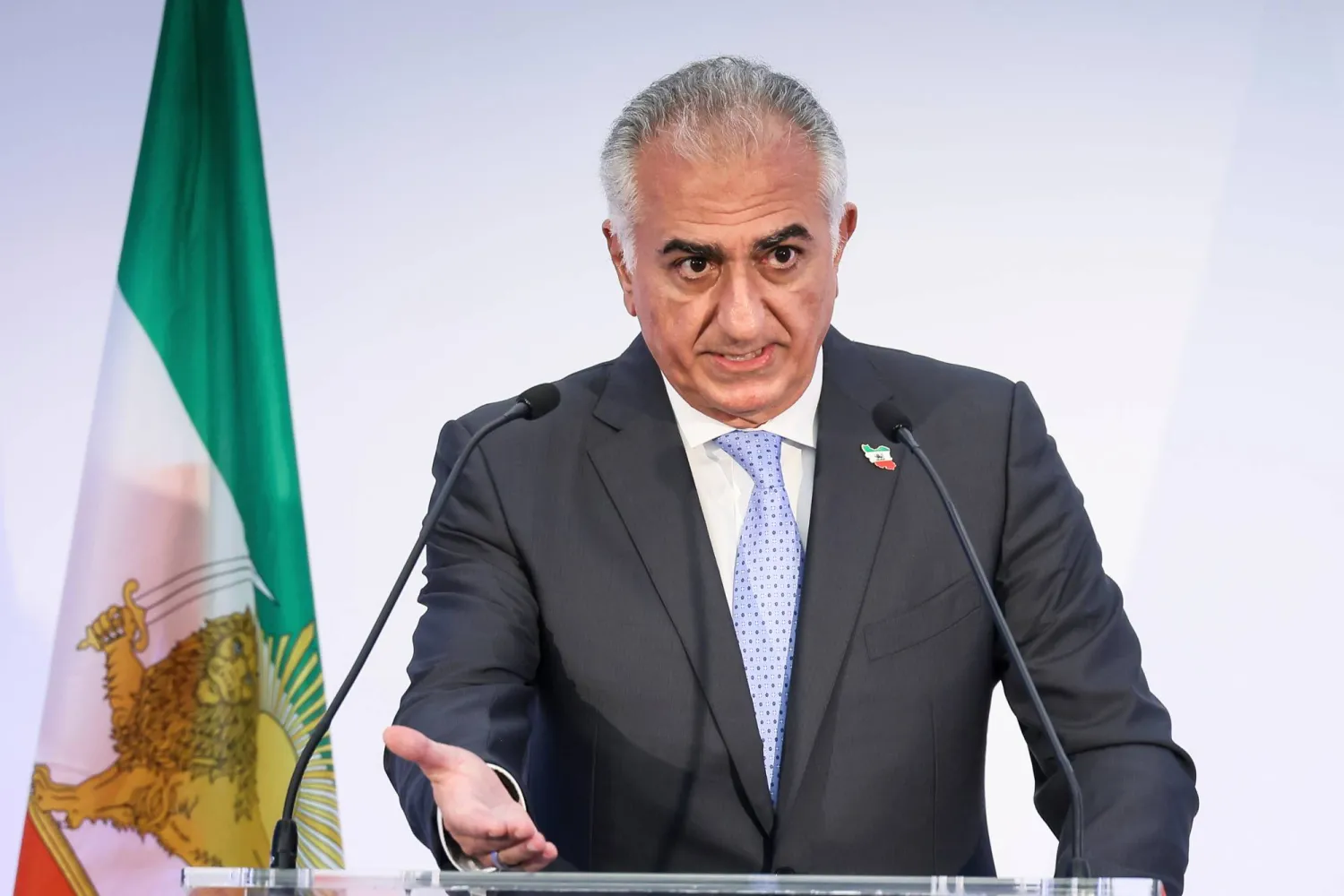
Reza Pahlavi was just 16 when Iran 1979 revolution ended the four-decade rule of his father, Mohammad Reza Pahlavi. As the eldest son, he once stood first in line to inherit a centuries-old monarchy sustained by vast oil wealth.
Now 65 and living in exile, Pahlavi has re-emerged at the center of Iran’s latest wave of unrest. After he urged Iranians to take to the streets this week, chants invoking the former royal family echoed across several cities, marking a striking — and once unthinkable — turn in the country’s protest movement.
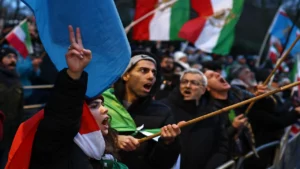
Demonstrations that began over economic grievances at Tehran’s Grand Bazaar quickly morphed into broader anti-regime rallies. Slogans praising the former monarchy were heard, a notable shift in a country where support for the Shah’s family has long been taboo and criminalized.
Symbol of Change or Protest Placeholder?
Analysts say the renewed visibility of the royal heir reflects less a clear endorsement of monarchy and more a deepening frustration with Iran’s current system.
“Reza Pahlavi has clearly gained influence and positioned himself as a leading opposition figure,” said Arash Azizi, author of What Iranians Want. “But he is also deeply divisive and far from a unifying force.”
For decades, Iran’s ruling establishment has dismantled internal opposition, jailing critics and tightly controlling political space. Supreme Leader Ali Khamenei holds ultimate authority, limiting the power of elected institutions and suppressing challenges to the Islamic Republic.
That dynamic has elevated opposition voices abroad, particularly within Iran’s large diaspora. Pahlavi’s profile rose sharply in 2020 after Iran accidentally shot down a civilian airliner, an event that galvanized exiled dissidents and briefly united them in a coalition where Pahlavi played a prominent role. The alliance later fractured, but his name recognition endured.
Foreign Backers and Political Limits
Pahlavi’s ties to Israeli Prime Minister Benjamin Netanyahu have drawn both attention and controversy, especially after Israeli strikes hit parts of Iran during last year’s brief conflict. The association has polarized opinion among Iranians at home and abroad.
Recent US actions — including President Donald Trump’s dramatic detention of Venezuelan leader Nicolás Maduro — have also fueled speculation that external pressure could hasten regime change in Tehran. Some protesters have openly referenced Trump in demonstrations.
Yet analysts caution against assuming Washington will back a specific opposition figure. “Trump is weighing options and has no incentive to endorse someone before they demonstrate real political traction,” Azizi said, adding that Pahlavi’s reserved demeanor may not resonate with Trump’s style.
Unclear Path to Leadership
Pahlavi has avoided committing to a detailed political roadmap. He has said he would consider leading a transitional period if protests succeed, but has offered few specifics — a gap critics say could undermine his credibility.
“It’s one thing to talk about transition,” said Vali Nasr, a professor at Johns Hopkins University. “But who governs, who drafts laws, who represents the people? Those mechanisms are missing.”
Iran has seen repeated waves of anti-regime protests over the past decade, each met with repression. Analysts say the current surge underscores how far the Islamic Republic has reached a political and economic impasse, marked by sanctions, corruption, and dwindling prospects for reform — particularly among younger Iranians.
Nostalgia Amid Desperation
Support for Pahlavi, experts argue, may be driven more by despair than royalist conviction. “People aren’t choosing him because he’s present on the ground,” Nasr said. “They’re turning to him because they feel out of options.”
Pahlavi has leaned into that sentiment, invoking memories of a pre-Islamic Republic era. In a recent interview, he said younger Iranians now call him “father” — a reflection, he suggested, of longing for stability rather than a blueprint for restoring the crown.
As protests continue, the question remains whether Pahlavi’s prominence signals a genuine shift toward monarchist restoration — or simply a momentary rallying point for a society searching for an alternative to the status quo.