

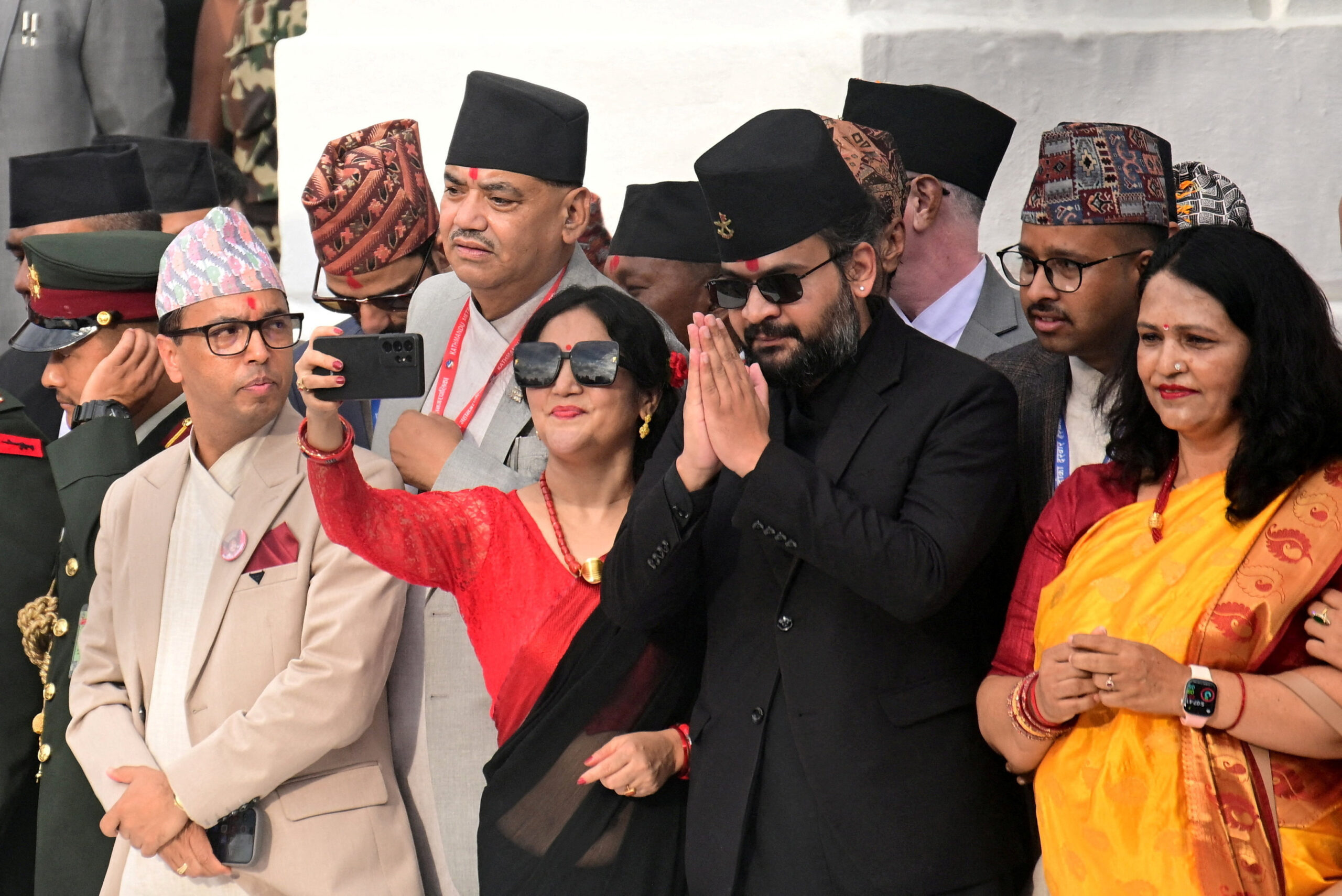
A major political shift is unfolding in Nepal as two widely known public figures build a new alliance ahead of the country’s March parliamentary vote. The coalition is expected to test the influence of traditional political parties that have controlled Nepal’s political landscape for more than 30 years.
Balendra Shah — better known as Balen — a 35-year-old former hip-hop artist who later became mayor of Kathmandu, has officially aligned with the Rastriya Swatantra Party (RSP), a rising national independent political party. RSP is led by Rabi Lamichhane, 48, a former television presenter who transitioned into politics in 2022.
Party representatives confirmed that under the new agreement, Balen will be positioned as the prime ministerial candidate if RSP secures the majority in the March 5 election, while Lamichhane will continue serving as the party’s leader.
Youth Influence and Anti-Corruption Agenda
Balen’s political popularity grew rapidly following the September 2025 youth protests, driven largely by Generation Z activists demanding stronger action against corruption and government accountability. Balen became a central voice of the movement through digital platforms and was viewed by supporters as a figure representing political change for younger voters.
Political analyst Bipin Adhikari described the alliance as a calculated move that could reshape Nepal’s voter dynamics.
“RSP is bringing Balen’s large youth following into a national political structure,” Adhikari said. “It shows how strongly younger voters want alternatives beyond legacy politics.”
Interim Government Role
Balen has also played a behind-the-scenes role in forming Nepal’s interim leadership structure, supporting the establishment of a temporary administration led by former Chief Justice Sushila Karki, who will oversee the election process.
Legal Clouds Around RSP Leadership
While the alliance is gaining momentum among younger voters, RSP leader Lamichhane continues to face legal scrutiny. He is currently released on bail amid allegations involving the handling of cooperative funds collected from small depositors. The party has denied wrongdoing and has continued campaigning on its anti-corruption reform platform.
Skepticism From Traditional Parties
Senior political voices from Nepal’s long-standing parties remain unconvinced. Prakash Sharan Mahat, spokesperson for the Nepali Congress party, criticized the coalition and said it is unlikely to disrupt voter loyalty.
“This partnership won’t change the direction of the election,” Mahat said. “Most voters will still prefer established parties with longer political experience.”
Nepal’s election authority confirmed that around 19 million citizens out of the country’s 30 million population are eligible to vote, including nearly one million new young voters registered following the protests.
Rising Political Temperature
Nepal’s political system has been largely shaped by the Communist Party of Nepal (UML) and Nepali Congress, which have alternated and shared power for most of the past three decades. Analysts say both parties are expected to be the main targets of voter shift toward the new RSP-Balen coalition.