

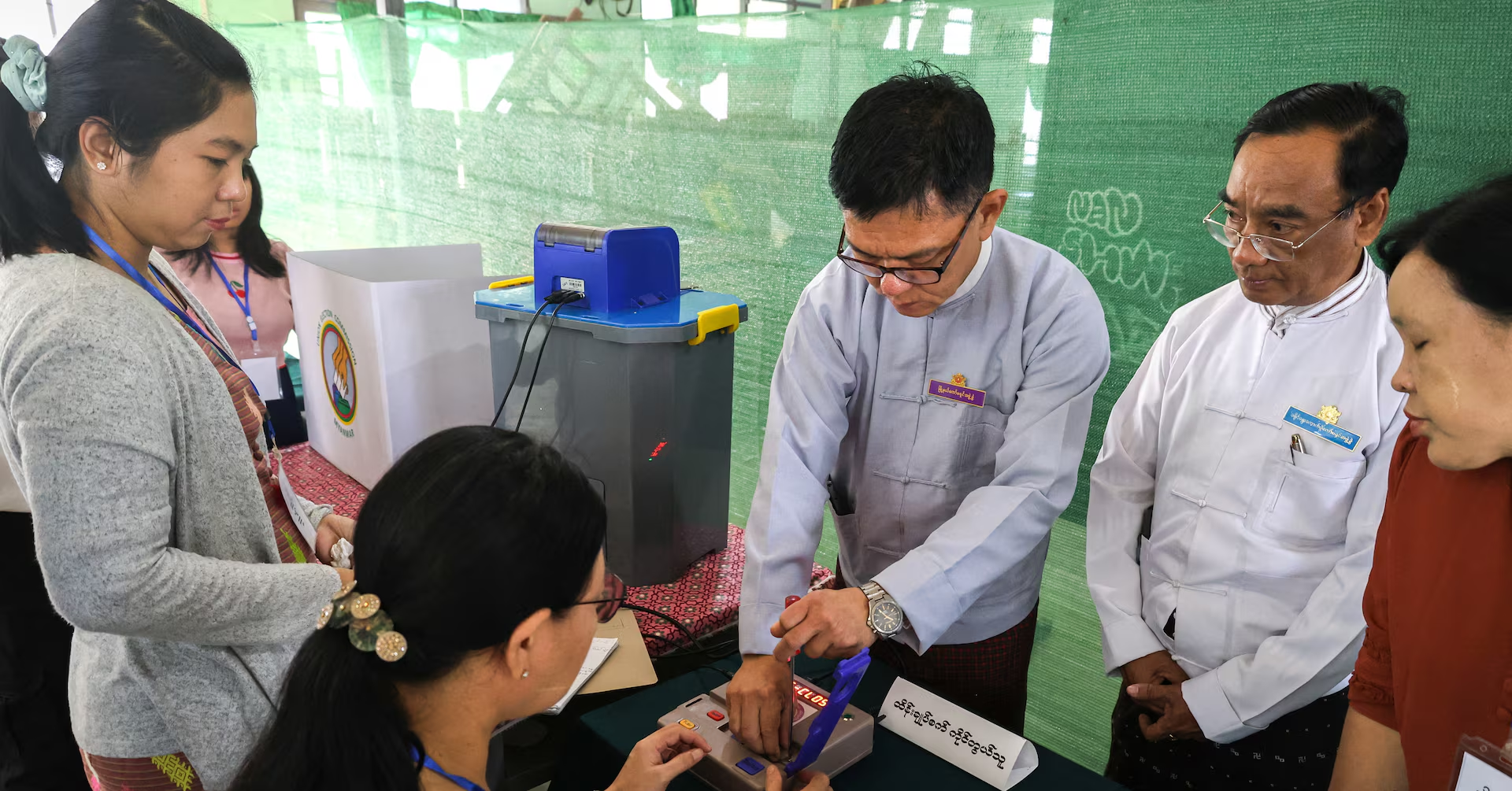
Myanmar has begun a nationwide voting process for the first time since the 2021 military power shift, but large parts of the country remain excluded as conflict, security crackdowns, and ongoing attacks dominate election week.
The election is being carried out in stages, nearly five years after the military removed the previous civilian leadership. The takeover sparked mass protests that later expanded into armed conflict involving resistance networks and regional ethnic militias.
Independent researchers, election monitors, and rights groups say the current vote does not meet basic standards of public participation. Dozens of political parties, including the country’s most popular civilian movement, are barred from competing. Thousands of citizens are displaced, and many leaders tied to democratic groups remain detained or living outside the country.
Missile Strikes and Civilian Harm Reported
Kyiv-style election-week violence echoed across Myanmar on Saturday night and early Sunday. Officials in the Mandalay region confirmed that three people were hospitalized after a rocket strike hit an empty home. One patient remains in critical condition.
In the border township of Myawaddy, a wave of overnight explosions damaged more than ten homes. Local residents told reporters that several civilians, including a child, were among the casualties. Emergency medical teams transported three people from the area for urgent care. Additional reports of injuries and deaths are still being verified.
Who Is Voting?
Polling locations in Yangon opened at 6:00 AM local time, supported by tight security patrols. Checkpoints, barricades, and armed monitoring units were placed around major city roads, and new electronic voting devices were installed — a first in the country’s election history. The machines do not allow voters to intentionally void ballots or add alternative candidate names.
Some voters interviewed in cities said the process felt “more structured” than previous elections, but responses varied sharply between regions. Many older citizens described feeling uncertain about the purpose of the vote amid ongoing war.
Military Leadership Defends the Vote
Junta leader Min Aung Hlaing, who cast his ballot early in the capital Naypyidaw, told reporters that the election is lawful and fair. He rejected claims that military involvement automatically invalidates the vote, describing himself as a public servant rather than a political candidate.
Earlier this week, Hlaing warned that those choosing not to vote are “slowing democratic progress,” despite widespread reports that non-military political groups cannot participate.
Arrests and New Penalties Increase Fear
A new law enacted mid-2025 has been used to charge more than 200 people accused of disrupting or publicly rejecting the election. The law carries extreme penalties, including capital punishment, though analysts say it is being applied selectively to silence public criticism rather than maintain election integrity.
Public figures in film and entertainment were recently convicted under the same law after criticizing state-sponsored election messaging. Independent media outlets confirmed the convictions, reporting sentences of seven years in prison for each individual involved.
Political Landscape, Without Competition
Official filings show:
-
6 political parties running nationwide, most tied to military-aligned platforms
-
51 regional parties and independent candidates competing only in selected state areas
-
40+ parties banned, including the former ruling NLD party
Former State Counsellor Aung San Suu Kyi remains detained. Her party was dissolved earlier this year, and many of its senior organizers have been jailed or forced into exile. Public polling suggests that support for the current peace-and-withdrawal proposal remains low, particularly among displaced families.
Logistical and Diplomatic Challenges Ahead
Voting will take place in 265 of Myanmar’s 330 townships, with the rest considered too unstable. Even within participating townships, not all districts are voting, making turnout difficult to predict. Final results are expected by late January 2026, though dates for vote counting and announcements remain unclear.
Political analysts say the vote is unlikely to change Myanmar’s national leadership, reduce conflict, or weaken armed resistance. International policy researchers warn that the election could deepen internal divides instead of reducing tensions.
Local Voices Reflect the Human Cost
Many civilians remain unconvinced the vote represents progress.
In Chin state, an 80-year-old resident told reporters:
“Civilians remember what a small amount of freedom once felt like. Today, families are not voting for change — they are trying to survive it.”
Regional organizations, including ASEAN, have urged political dialogue before elections, but Western governments say the vote does not include meaningful public choice and should not be interpreted as a transfer to civilian rule.