
As clocks struck nine across Tehran on Tuesday night, rooftops and balconies echoed with chants of “God is greatest,” fireworks lighting up the winter sky in celebration of the 47th anniversary of Iran 1979 revolution.
But amid the familiar spectacle of sound and colour, another voice pierced the darkness.
From behind closed windows and hidden spaces came a different cry: “Death to the dictator.” It was a reminder that this year’s commemorations unfold in the shadow of recent unrest that shook the country.
Last month’s protests — which spread through parts of Tehran and other cities — were met with a fierce crackdown, resulting in significant loss of life. The government has described the demonstrations as riots, while many citizens insist they were peaceful expressions of frustration.
Return After Blackout
This visit marks the first time international journalists have been allowed back into Iran since authorities imposed a sweeping internet shutdown during the unrest. The blackout, described as one of the longest in modern history, has only gradually been lifted.
The atmosphere in Tehran contrasts sharply with last June, when the city was emerging from a brief but intense 12-day conflict with Israel that also involved US strikes on Iranian nuclear sites. That conflict left many shaken but rallied around national unity.
Today, the capital — framed by snow-capped Mount Damavand — is decorated with flags and banners for what Iranians call the “Ten Days of Dawn,” marking the return of Ayatollah Ruhollah Khomeini in 1979 and the fall of the shah.
Rallies Amid Rising Frustration
On Wednesday, the final day of the anniversary events, thousands filled Tehran’s streets, many waving Iranian flags and portraits of Ali Khamenei. Chants of “Death to America” and “Death to Israel” echoed through Azadi Square.
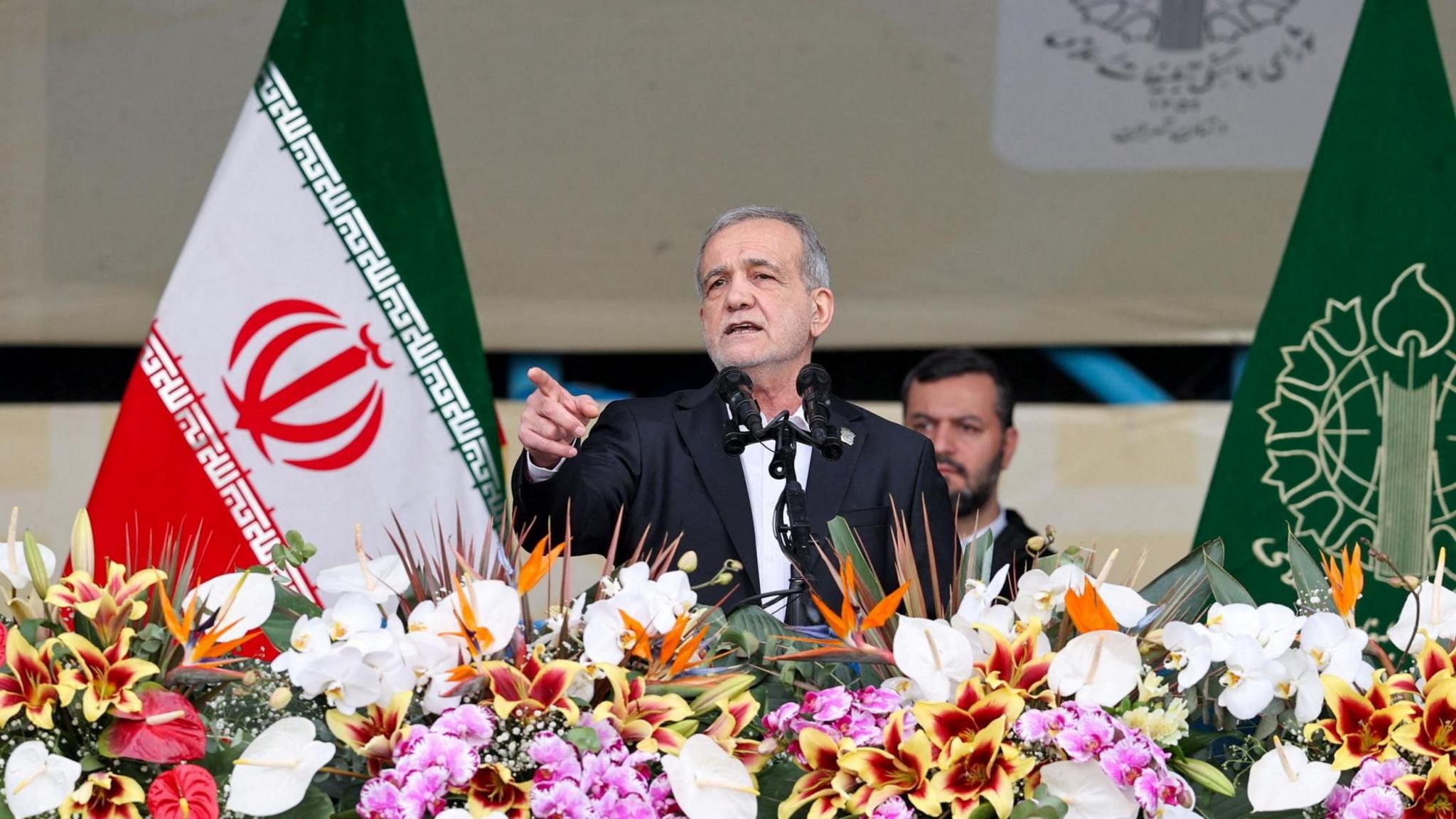
Iran’s President Masoud Pezeshkian addressed the crowd from a stage in the square, blaming unrest on hostile propaganda from abroad. However, he also acknowledged domestic grievances and apologised for government shortcomings.
“We are ready to listen to the voice of the people,” he said, pledging efforts to address economic hardship.
For many attendees, the revolution remains a source of pride. A young woman in a black chador described it as a rebirth for the country. While she recognised that some protesters were dissatisfied with economic conditions, she suggested external forces had fuelled chaos.
Voices from the Streets
Away from the official rallies, the mood felt more sombre.
In Enghelab Square, residents spoke cautiously, some declining to comment. Others expressed grief and anger.
A 32-year-old woman said she had struggled to sleep or eat since the protests. A university student described the emotional impact of videos and images that circulated once internet access was restored.
Older residents highlighted the rising cost of essentials — cooking oil, meat and poultry — and mounting unemployment. Economic pressures were widely cited as the spark that ignited the demonstrations, beginning with a shopkeepers’ strike in late December.
Calls for leaders to “hear our voices” were common among young people.
Mounting Pressures at Home and Abroad
Iran’s leadership now faces significant challenges.
Economic strain is exacerbated by longstanding international sanctions, allegations surrounding its nuclear programme, and structural issues such as corruption and mismanagement.
Meanwhile, US President Donald Trump has warned of possible military action if diplomacy over Iran’s nuclear activities fails, adding external pressure to domestic unrest.
Though President Pezeshkian has adopted a conciliatory tone, ultimate authority rests with the supreme leader. Officials have made clear there will be no leniency toward individuals accused of terrorism or inciting disorder.
A Nation at a Crossroads
Nearly five decades after the Islamic Revolution reshaped Iran and established its regional “axis of resistance,” the country finds itself at another pivotal moment.
Public rallies project strength and continuity. Yet beneath the flags and fireworks lies an undercurrent of dissatisfaction — economic hardship, demands for reform and calls for greater freedoms.
As Iran commemorates its revolutionary past, it confronts questions that may shape its future for years to come.