
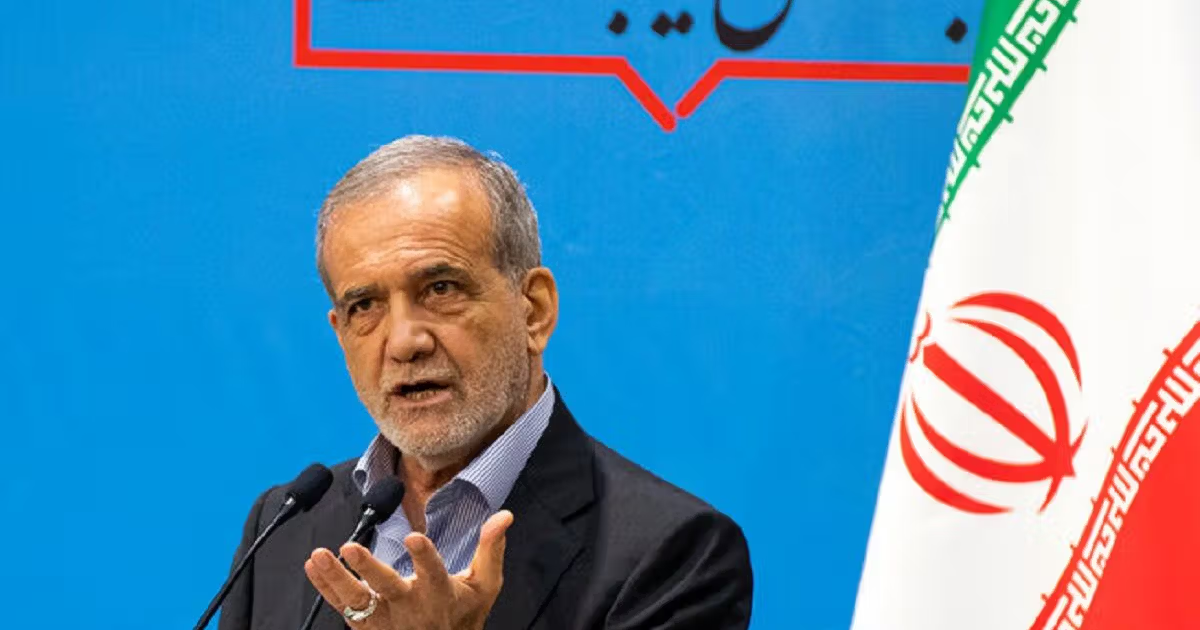
Iranian President Masoud Pezeshkian has pledged to revamp the country’s struggling economy, saying his administration is prepared to listen to public grievances after nearly two weeks of escalating nationwide protests.
Speaking in a televised interview on state media on Sunday, Pezeshkian struck a conciliatory tone, acknowledging public frustration while insisting his government remains committed to addressing deepening economic hardships. At the same time, he accused the United States and Israel of exploiting the unrest to destabilize the country.
Economic Crisis Sparks Widespread Demonstrations
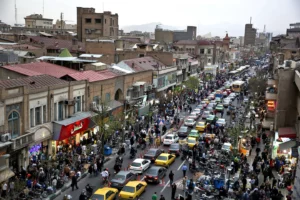
The unrest began in late December after Iran’s currency sharply depreciated, compounding years of economic strain. Rising prices, high inflation, and declining purchasing power quickly triggered protests across multiple cities.
What initially began as demonstrations over living costs has since evolved into broader antigovernment protests, posing one of the most serious domestic challenges for Iran in recent years.
“The people have legitimate concerns,” Pezeshkian said. “We must sit with them and address those concerns. But we cannot allow violent groups to destroy society under the guise of protest.”
Government Draws Line Between Protesters and ‘Rioters’
Iranian officials have repeatedly sought to differentiate between peaceful demonstrators and what they describe as armed or foreign-backed groups.
According to Al Jazeera’s correspondent in Tehran, Tohid Asadi, senior officials have acknowledged that public anger is rooted in genuine economic pain, including soaring prices and the rapid devaluation of the national currency.
However, Pezeshkian accused Washington and Israel of attempting to “sow chaos and disorder” by steering parts of the unrest, urging citizens to distance themselves from what he labeled “rioters and terrorists.”
Largest Protests Since Mahsa Amini Movement
The demonstrations are the most significant since the 2022–2023 protest wave triggered by the death of Mahsa Amini, who died in custody after being detained for allegedly violating Iran’s mandatory dress code for women.
State media reported that at least 109 members of the security forces have been killed since the protests began, underscoring the scale and intensity of the clashes.
Warnings Issued as Tensions Rise With Washington
Parliament Speaker Mohammad Baqer Qalibaf reinforced the government’s stance on Sunday, telling lawmakers that Iran recognizes citizens’ right to peaceful protest but will confront armed opposition.
A former Islamic Revolutionary Guard Corps commander, Qalibaf also issued a warning to the United States after US President Donald Trump threatened military action if Iranian authorities continue using lethal force against demonstrators.
“If Iran is attacked, Israeli territory and all US bases and vessels will be legitimate targets,” Qalibaf said, as some lawmakers reportedly chanted anti-American slogans.
Trump had earlier said Washington was “ready to help” Iran, floating the possibility of military strikes while ruling out deploying ground troops — comments widely seen as an escalation.
Crackdown Continues Amid Internet Blackout
Iran’s Interior Ministry has claimed the unrest is easing, though a nationwide internet shutdown has continued for more than 60 hours, according to monitoring groups. Iran’s attorney general has warned that those involved in the violence could face severe penalties, including capital punishment.
Human rights organizations report that at least 51 protesters have been killed by security forces, including nine children, with hundreds injured and large-scale arrests carried out across the country.
As Pezeshkian promises economic reform and dialogue, Iran remains gripped by uncertainty — caught between mounting public anger, economic hardship, and intensifying pressure from abroad.