

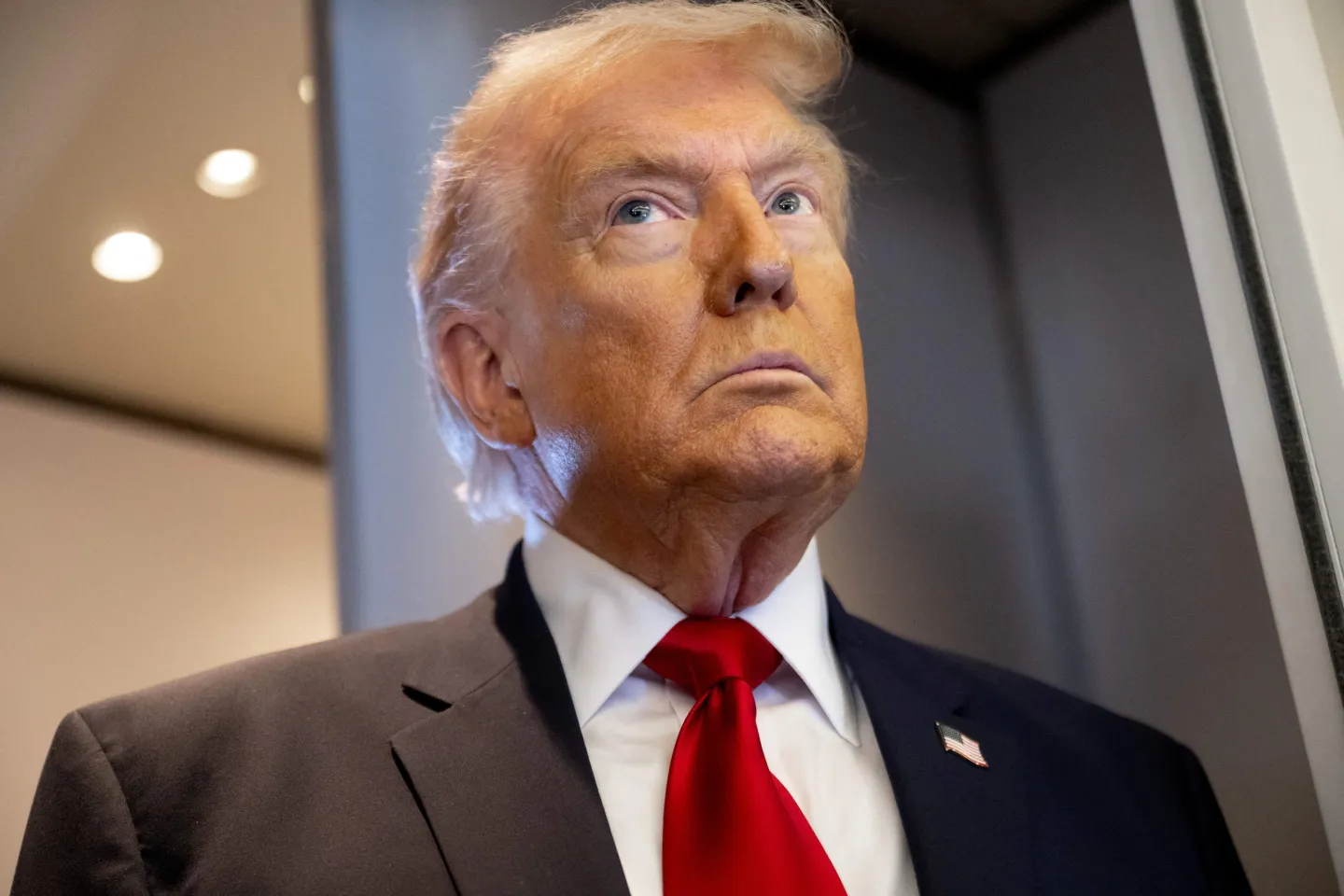
As the US-Israeli war on Iran moves deeper into its fourth week, signs are emerging that the conflict is causing new strains within the conservative movement, even as many Republicans continue to stand by President Donald Trump.
Polling has shown that much of the American public has opposed the military campaign from the beginning. Among Republicans, however, support for Trump has remained relatively strong. Even so, conversations at this year’s Conservative Political Action Conference in Texas suggested that doubts are beginning to grow, especially among younger conservatives questioning the purpose, cost and possible outcome of the war.
Some attendees at the event said they wanted more clarity from the administration about why the United States entered the conflict and how it intended to bring it to a close. Others raised concerns about the rising cost of living, including higher fuel and food prices, and said a prolonged war could make domestic problems harder to address.
Younger Conservatives Voice Doubts
Among the clearest themes at the conference was a generational divide. Younger conservatives interviewed in the report said they had supported Trump in part because he promised to avoid becoming entangled in overseas wars and because they viewed him as more restrained than traditional interventionists.
Some said they did not believe the Iran war was in America’s best interests, especially at a time when many people at home are struggling with everyday costs. Others argued that the United States has major domestic challenges that require attention and resources, and warned that fighting another foreign war would only divert energy away from those priorities.
Those concerns have been sharpened by reports that additional US forces are heading to the Gulf and that the Pentagon is considering a massive new funding request tied to the war. For many sceptics, these developments have raised questions about whether the conflict may last much longer than the administration suggests.
Older Trump Supporters Largely Stand Firm
While younger conservatives expressed hesitation, many older Trump supporters at the conference remained strongly supportive of the president’s approach. Members of a pro-Trump group from Texas said they believed Iran posed a serious threat and argued that Trump had to finish what he started.
Several said they trusted Trump’s judgement and believed his actions were intended to protect the American people. Their support reflected a broader trend within the Republican base, where loyalty to the president remains a powerful factor even as concerns about the war grow.
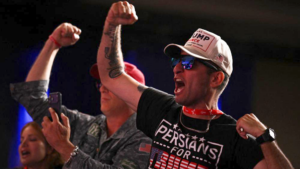
Iranian-American Activists Push for Regime Change
The conference also drew vocal Iranian-American activists who strongly supported the military campaign and openly called for regime change in Iran. They praised Trump’s handling of the conflict, thanked him publicly and voiced hope that the current fighting could lead to the fall of the Islamic Republic after decades of authoritarian rule.
Their presence added another layer to the debate inside the conservative movement, with some participants treating the war as a chance for political transformation in Iran, while others focused more on the risks of escalation for the United States.
Concerns Reach the Main Stage
Questions about the war were not limited to conversations in hallways. They also surfaced during official conference panels, where some prominent conservative figures warned about the consequences of deeper US involvement. Former Congressman Matt Gaetz argued that a ground invasion of Iran would leave the United States weaker and more vulnerable, while also pushing up prices at home.
Erik Prince, founder of Blackwater, also warned that the conflict could become far more difficult than some in the administration have suggested. He dismissed overly optimistic assumptions about a quick or easy outcome and pointed to Iran’s long history of resisting foreign conquest.
Former Navy SEAL Jason Redman, by contrast, argued that the United States should see the mission through. But even during that exchange, speakers urged the audience to recognise the potential costs of what such a commitment might demand.
Polls Show Cracks Beneath Republican Support
Recent polling cited in the report suggests that support for Trump’s handling of the war remains high among Republicans overall, but is less solid than it may first appear. While a large majority approve of his conduct, the number who strongly approve is notably lower, and support drops sharply among voters who only lean Republican rather than identify firmly with the party.
The age split is also clear in those figures. Republican voters overall remain broadly supportive, but younger Republicans show significantly less enthusiasm. That gap could matter politically, especially with midterm congressional elections approaching and turnout likely to be a major factor.
Pressure Builds for a Clear Exit
Trump has said the war is beginning to wind down and has expressed confidence that his supporters will remain with him because they do not want Iran to obtain nuclear weapons and support protecting US allies, including Israel and Gulf Arab states.
Even so, the atmosphere at CPAC suggested that pressure is mounting for the president to explain more clearly how the conflict will end. Former White House adviser Steve Bannon told the audience that the issue required serious public debate, especially with the possibility that American combat troops could eventually be deployed.
For now, Trump still appears to command broad support among conservatives. But the discussions at CPAC indicate that the longer the war continues, the more urgent questions about strategy, cost and political consequences are likely to become.