
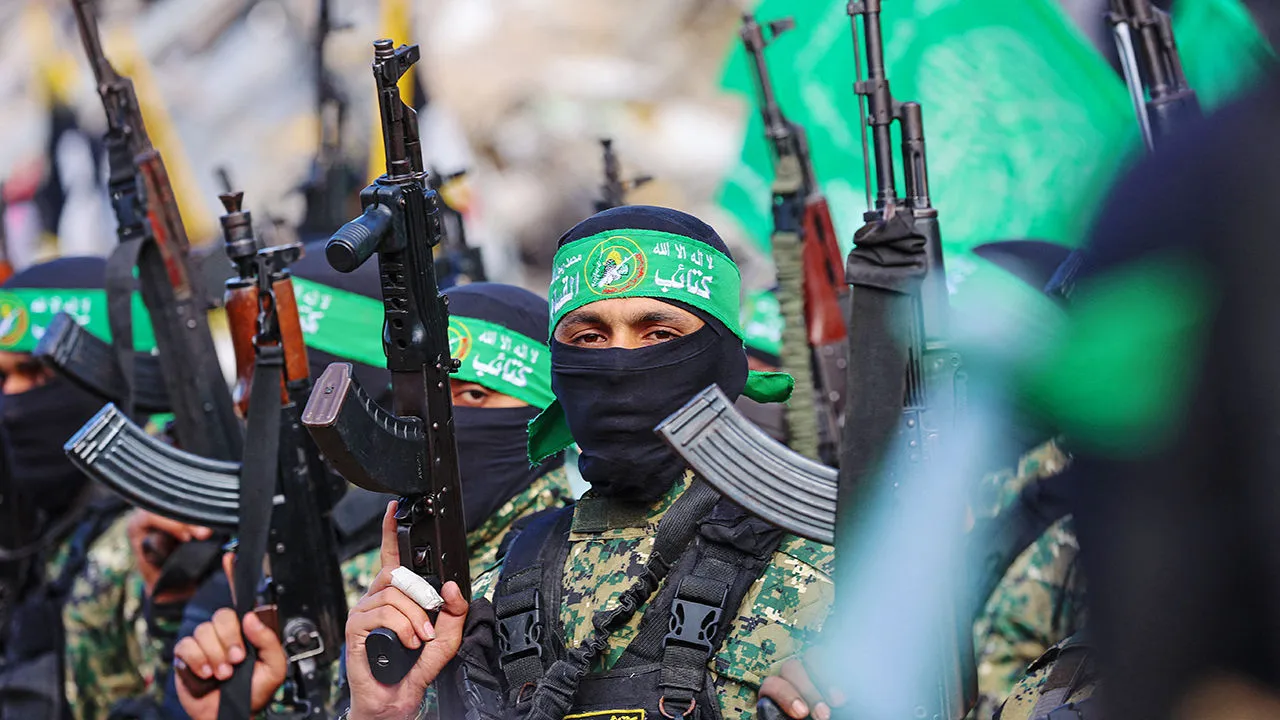
Months after a US-brokered ceasefire paused the Gaza war in October, Hamas appears to be steadily re-establishing its authority across much of the territory, shifting its focus from battlefield survival to internal governance and control.
The conflict left Hamas’s military structure severely weakened, with many senior leaders killed and its organised units fragmented into smaller guerrilla-style groups. Large parts of Gaza’s infrastructure were destroyed, the economy collapsed, and most of the population was displaced. According to Gaza’s health ministry, more than 72,000 people were killed during the war.
Gradual Return of Internal Control
Four months into the ceasefire period, residents and local observers say Hamas has increasingly resumed oversight of security, taxation, and civil administration in areas where it maintains a presence. Activists in Gaza claim the group has restored operational control in the vast majority of districts it still operates in.
Reports from civilians indicate that police and internal security forces have returned to the streets, managing crime and monitoring individuals accused of collaborating with Israel or opposing the group’s rule. Residents also say that essential services such as identification documents, legal procedures, and health-related administrative matters are once again being handled through Hamas-linked institutions.
In local markets, traders describe the reappearance of patrols and tighter enforcement of official fees, rents, and taxation. Some stallholders, many of whom have been displaced from heavily destroyed neighbourhoods, say authorities have intensified efforts to collect payments despite the severe economic hardship facing residents.
Economic Pressure and Tax Reimposition
Merchants in Gaza report that, alongside the gradual increase in the flow of food and basic goods after the ceasefire, Hamas has reinstated strict controls over imports and related taxes. Licensed traders importing goods from Israel say the taxation system has returned in a structured manner, with fees varying depending on the type and quantity of goods.
Some traders, speaking anonymously due to fear of repercussions, alleged that pressure and coercive measures were used against those who refused to comply with tax demands. Payments are reportedly made in cash rather than through formal banking channels, making financial tracking more difficult.
Local activists claim that Hamas has compiled detailed records of traders operating in Gaza, suggesting an effort to rebuild its previous administrative and financial framework while maintaining a lower public profile during the ceasefire period.
Hamas Response and Governance Claims
Hamas officials have defended their actions, stating that the territory remains in an emergency situation following extensive destruction and displacement. A spokesperson for the group said that what it described as “exceptional measures” were necessary to manage governance and prevent exploitation in a fragile economic environment.
The spokesperson also argued that administrative actions against traders were related to regulatory enforcement rather than political control, framing the measures as part of normal governance in a crisis setting.
Hamas has governed Gaza since 2007, and financial resources remain central to maintaining salaries, services, and administrative functions. Israeli officials, however, contend that rebuilding revenue streams could also support efforts to restore the group’s military capabilities.
Ongoing Tensions Despite Ceasefire
Although the ceasefire reduced large-scale hostilities, tensions between Hamas and Israel remain high. The Israeli military says it continues to face sporadic attacks from Hamas fighters, with several Israeli soldiers reportedly killed since the truce began.
Hamas, in turn, accuses Israel of continuing strikes during the ceasefire period, with Gaza’s health authorities reporting hundreds of additional Palestinian deaths since the agreement took effect.
Israeli officials maintain that the group’s military strength has been significantly degraded but warn that it is attempting to regroup. They have repeatedly emphasised that disarmament remains a central condition for long-term stability.
Disarmament and Future Political Uncertainty
The next phase of the proposed peace framework, including reconstruction efforts and broader governance arrangements, is closely tied to whether Hamas agrees to relinquish its weapons and authority. Negotiations are ongoing over how any potential disarmament would be implemented, including verification mechanisms and the transfer of arms.
Hamas representatives have signalled that discussions over weapons could be addressed in a way that prevents renewed conflict while aligning with broader diplomatic initiatives. However, no concrete agreement has yet been finalised.
Meanwhile, international attention is turning to diplomatic forums such as the proposed Board of Peace summit in Washington, where reconstruction plans and security arrangements for Gaza are expected to be discussed.
For many residents, the ceasefire has brought relative calm compared to the peak of the war, but daily life remains shaped by economic hardship, displacement, and uncertainty. As Hamas strengthens its administrative presence while negotiations continue, the long-term political future of Gaza remains unresolved, with stability hinging on disarmament, reconstruction, and sustained adherence to the ceasefire.