

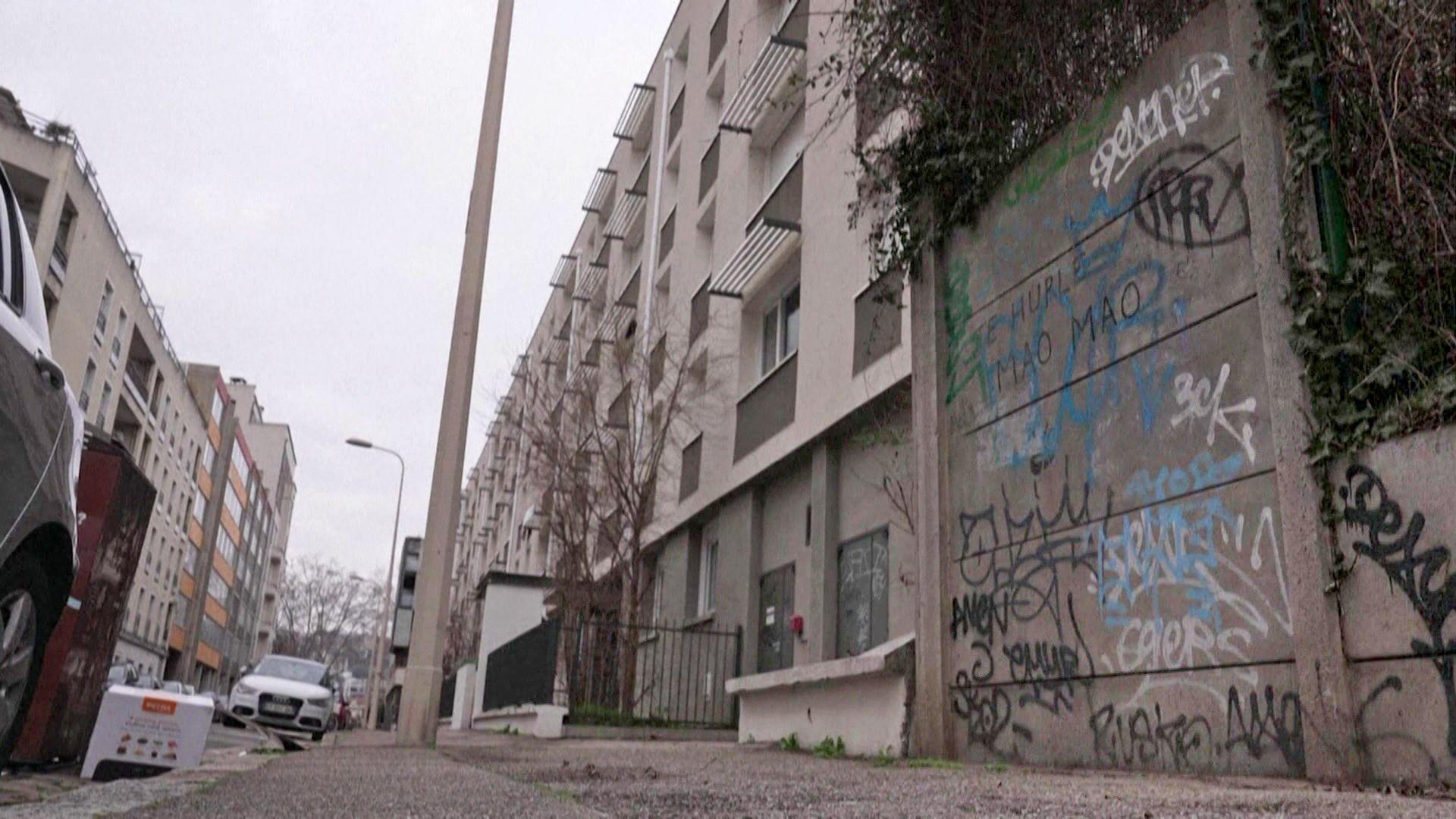
The killing of nationalist student Quentin Deranque in Lyon has ignited a major political controversy in France, raising questions about whether the radical left could face increasing isolation in the political landscape as elections approach.
Deranque died on 12 February following a small university protest organised by far-right feminists, where he had reportedly been present to provide protection. Mobile phone footage circulating online appears to show masked and hooded individuals repeatedly assaulting him while he was on the ground. He later succumbed to severe head injuries.
The incident has prompted widespread condemnation, particularly directed at the radical left party La France Insoumise (LFI) and its long-time leader Jean-Luc Mélenchon. The party currently holds around 70 seats in the 577-member National Assembly, making it a significant force in French parliamentary politics.
Suspects’ Links Intensify Political Fallout
Seven suspects have been charged in connection with the killing, with reports indicating that they were members of, or closely associated with, an organisation known as La Jeune Garde (The Young Guard). The group previously provided security at events linked to LFI before it was banned last year.
Among those charged is Jacques-Elie Favrot, a parliamentary assistant to LFI deputy Raphaël Arnault, who founded The Young Guard in 2018. Favrot faces charges of complicity to murder by instigation rather than direct involvement in the fatal assault. Another suspect, Adrian Besseyre, who reportedly worked within Arnault’s parliamentary team, is among those charged with murder.
According to the investigating magistrate, all suspects deny intending to kill Deranque. While some acknowledged being present at the scene and admitted to using violence, others declined to give statements.
A Shift in Political Stigma?
For decades, the French political establishment largely treated the far right — particularly the National Front and later the National Rally (RN) — as the primary political outcast due to alleged links to extremism. However, recent developments may be altering that dynamic.
Observers suggest the backlash against LFI following Deranque’s death could accelerate the long-standing “de-demonisation” strategy pursued by Marine Le Pen, leader of the RN. This shift could reposition the radical left as the main target of political condemnation, potentially reshaping electoral alliances and public perception.
The implications could be significant for upcoming elections and the broader balance of power in France.

Ideological Rivalry Between RN and LFI
Despite representing opposing ends of the political spectrum, both the National Rally and La France Insoumise challenge the political consensus that has dominated France for decades. RN emphasises nationalist policies, prioritising French citizens and advocating tougher crime policies often linked to immigration debates. In contrast, LFI, drawing from its Marxist roots, focuses on defending working-class communities, many of whom it views as being of immigrant background.
While their economic approaches occasionally overlap, the two parties remain deeply divided on identity-related issues and foreign policy. For example, LFI faced criticism for refusing to condemn the Hamas-led attacks on Israel on 7 October, while the RN has increasingly positioned itself as supportive of Israel despite its controversial historical legacy.
Electoral Consequences and Alliance Uncertainty
The fallout from the Lyon killing could complicate political cooperation that has historically helped block the far right from gaining power. In previous elections, parties across the political spectrum formed informal alliances to prevent RN victories, a strategy known as the “cordon sanitaire.”
During the 2024 legislative elections, for instance, centrist and left-wing candidates withdrew in certain districts to consolidate votes against RN candidates, limiting the party’s final seat count despite strong first-round performances.
Such coordination was possible partly because LFI remained within what French politics calls the “Republican arc,” meaning it was considered a legitimate partner in anti-RN strategies. However, the current controversy raises the possibility that centrist and socialist parties could distance themselves from LFI, weakening the coalition that has historically contained the far right.
Potential Repercussions for Future Elections
If mainstream parties refuse future electoral agreements with LFI, the unified front against RN could fragment. This could create new political openings for the far right, especially if conservative Republicans begin engaging more openly with RN.
Political analysts warn that such a shift could significantly affect municipal elections scheduled for next month, as well as the presidential and parliamentary elections in 2027.
Commentators have already suggested that the political narrative has begun to change, with some media outlets noting that LFI is now facing stronger condemnation than the RN in both political and public discourse. This dynamic could indirectly benefit the far right, which has long sought greater mainstream acceptance.
Pressure on the Broader Left
France’s mainstream left now finds itself in a difficult position. On one hand, it faces pressure to distance itself from LFI amid the controversy. On the other, it remains wary of strengthening the far right by intensifying criticism of its left-wing ally.
Mélenchon and LFI have condemned the killing but have stopped short of denouncing The Young Guard or suspending its founder Raphaël Arnault from parliamentary duties, a stance that has further fuelled criticism.
Some political figures warn that focusing all criticism on LFI risks normalising the far right. Former Prime Minister Dominique de Villepin argued that excessive attacks on the radical left could inadvertently make RN appear more respectable in comparison, potentially reshaping the political mainstream.