

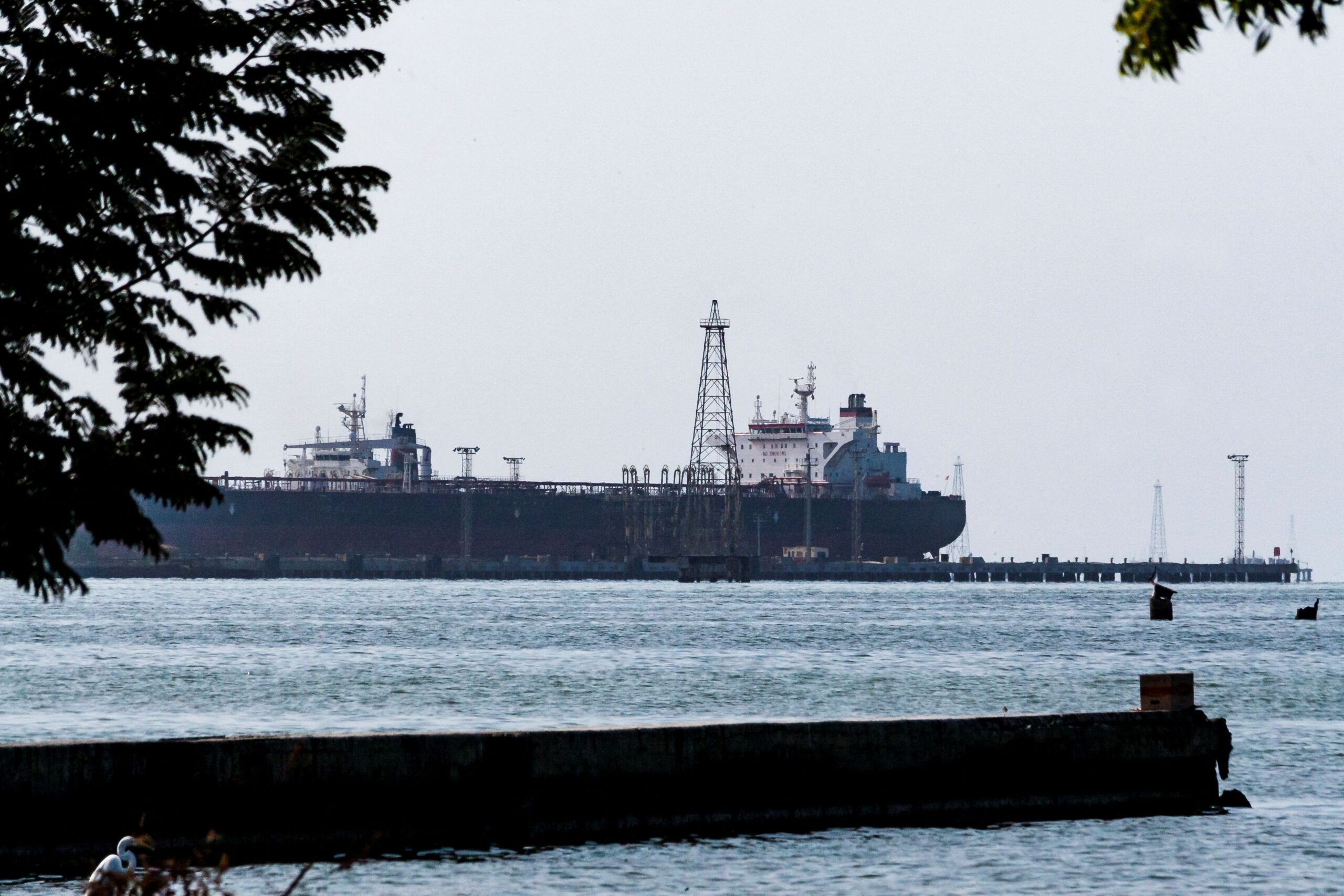
U.S. officials and regional sources indicated this week that a U.S. intelligence-led UAV operation took place earlier this month near a Venezuela coastal port. The mission, which has not been publicly detailed before, was described by sources as an effort to disrupt drug boat logistics in the area.
According to individuals familiar with U.S. assessments, the targeted dock was believed by Washington to have links to Tren de Aragua, a group that U.S. agencies say is involved in maritime drug movement. The facility was reportedly empty at the time of the operation, and no civilian casualties were reported locally, sources said.
Conflicting Statements From U.S. Agencies
Two sources initially suggested that U.S. Special Operations units provided intelligence for the mission. However, Col. Allie Weiskopf, a spokesperson for U.S. Special Operations Command, later stated that Special Operations teams did not participate in planning or intelligence support for this action.
U.S. intelligence officials declined to issue public remarks. Inquiries sent to the White House and Venezuelan ministries have not yet received official responses at the time of publication.
Trump Mentions Shoreline Incident, Offers Limited Details
President Donald Trump referenced a Venezuela dock incident during a radio interview on Dec 26, describing it only as a strike on a “dock area tied to loading drug boats.” He did not clarify the operational branch or agency involved, noting that more clarity may emerge after further internal review.
“The dock zone is no longer operational,” Trump said in remarks, adding that the incident was tied to an “implementation point for launching boats.”
Regional Tension and Legal Questions Persist
The United States has carried out multiple maritime interdictions in the Caribbean and eastern Pacific over the past few months, aimed at disabling boats suspected of drug transport. Those operations occurred in international waters and were widely reported as part of a counter-smuggling security strategy.
Legal experts in Washington noted that the U.S. military has authority for maritime operations, but not for unverified strikes on foreign land facilities without international agreements or congressional authorization. The incident has renewed debate in U.S. policy circles over sovereignty, transparency, and legal frameworks for intelligence missions in South America.
Caracas has repeatedly rejected U.S. accusations of state involvement in drug operations. President Nicolás Maduro’s administration has previously argued that Washington’s pressure campaign is politically motivated and tied to energy and economic influence, claims U.S. officials have denied.
Mixed Messaging From U.S. Leadership
U.S. cabinet-level voices have offered varying explanations about the campaign, citing both counter-narcotics and counter-terror policy language in different public forums. Some officials have used comparisons to past global counter-terror strategies to emphasize the scale and sophistication of monitoring operations, though no formal policy shift has been confirmed publicly by the Pentagon.
Regional diplomacy advocates have urged restraint and transparency, warning that framing drug operations using war-on-terror rhetoric without multilateral agreements could increase mistrust in the region.