

Relations between China and Japan have entered a new period of strain, highlighted by the recent return of giant pandas Xiao Xiao and Lei Lei from Tokyo’s Ueno Zoo to China. Their departure, marked by emotional farewells from the Japanese public, has come to symbolise the cooling diplomatic climate between the two countries.
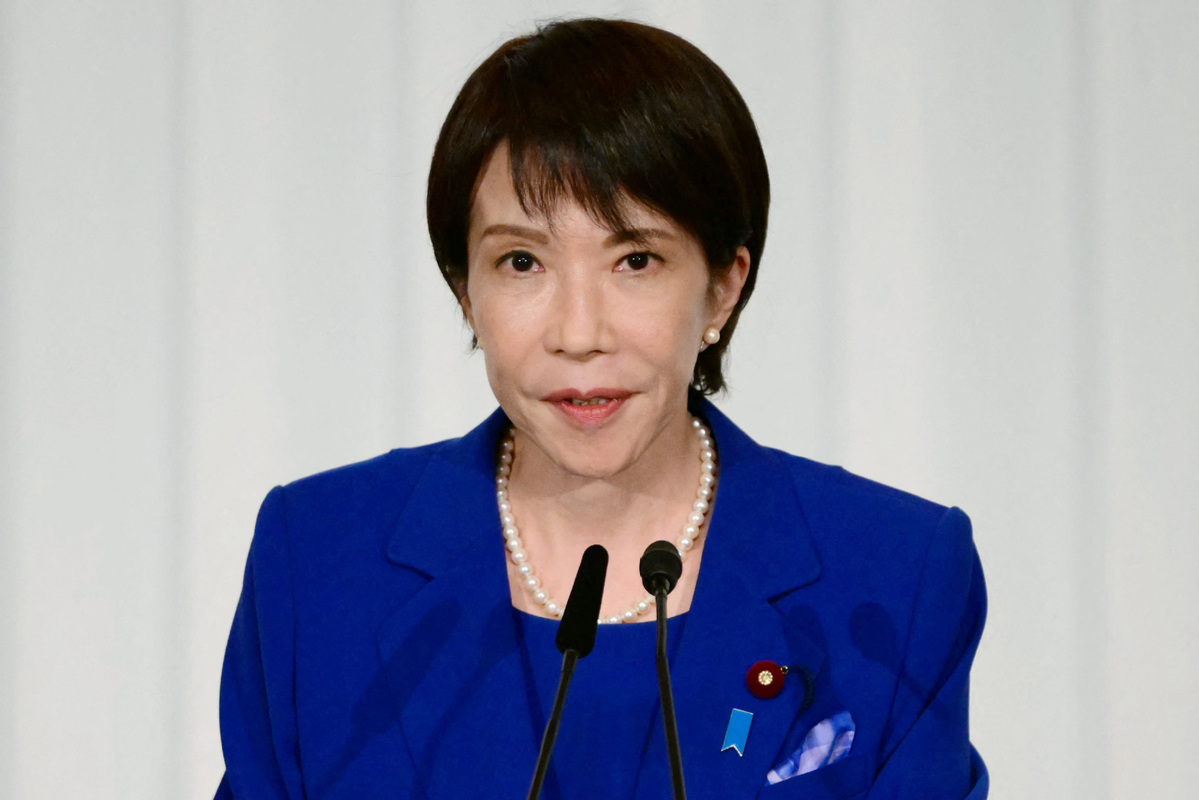
The pandas’ return followed a series of developments that have significantly worsened bilateral ties since Japanese Prime Minister Sanae Takaichi made remarks related to Taiwan, pushing relations to their lowest point in years.
Remarks on Taiwan Spark Diplomatic Fallout
The diplomatic dispute began in November when Takaichi suggested that Japan’s Self-Defence Forces could be activated in the event of a crisis involving Taiwan. China, which considers Taiwan part of its territory, views any foreign statements on the island’s defence as interference in its sovereignty.
Beijing responded swiftly, issuing strong condemnations and demanding a retraction. Although analysts noted that Takaichi’s comments were consistent with broader Japanese policy and past statements by other leaders, the fact that they came from a sitting prime minister elevated their significance.
Takaichi has refused to apologise or withdraw her remarks, though she later indicated she would be more cautious when discussing specific geopolitical scenarios. Diplomatic channels remain open, with senior Japanese officials engaging their Chinese counterparts, but tensions have shown little sign of easing.
Broad Pressure Across Multiple Fronts
In response to Japan’s stance, China has reportedly applied pressure across diplomatic, military, economic, and cultural spheres. Experts describe the approach as a form of “greyzone” pressure, aimed at gradually increasing strain without triggering direct confrontation.
Diplomatically, China has filed complaints at international forums and postponed planned multilateral engagements, including a trilateral summit involving Japan and South Korea. Beijing has also sought to rally other nations to support its position, while criticising Japan’s statements in global settings such as the Munich Security Conference.
On the security front, Japan has reported increased Chinese military activity near disputed areas, including drone flights, naval patrols, and close encounters around the Senkaku/Diaoyu islands. Authorities have also cited incidents involving coast guard vessels and the seizure of a Chinese fishing boat.
Economic and Cultural Leverage
China’s pressure has extended to the economic sector, where restrictions on exports of rare earth elements and other dual-use technologies to Japan have raised concerns. These materials are crucial for high-tech manufacturing and supply chains, making them a sensitive leverage point.
Tourism and travel have also been affected. Beijing has advised its citizens to reconsider travel and study plans in Japan, while flight reductions on dozens of routes have contributed to a decline in Chinese visitors. Given that Chinese tourists represent a significant portion of Japan’s foreign tourism market, the impact has been noticeable.
Cultural exchanges have not been spared either. Several Japanese concerts and film releases in China have been cancelled or postponed, and some entertainment events have faced public criticism. Even global cultural brands, including Pokémon-related events, have come under scrutiny amid the broader political climate.
A Calibrated Yet Strategic Response
Despite the wide-ranging measures, analysts observe that China’s actions remain relatively restrained compared to previous periods of tension. Research from policy experts suggests that Beijing may be deliberately applying gradual pressure while avoiding overt escalation.
Some analysts argue that China is also balancing its response with its broader global image, positioning itself as a stabilising power while maintaining a firm stance on core interests such as Taiwan.
Strong Mandate Strengthens Takaichi’s Position
Takaichi’s recent snap election victory has provided her with a strong domestic mandate, which analysts believe will reinforce her willingness to maintain a firm policy stance toward China. Her government has already signalled plans to increase defence spending to 2% of GDP ahead of schedule and revise key national security strategies.
Observers suggest that this electoral support may be interpreted by Tokyo as validation of its approach, reducing the likelihood of policy concessions in the near term.
Long-Term Strategic Rivalry Likely to Persist
Experts widely agree that tensions between China and Japan may stabilise eventually but are unlikely to return to previous levels. China’s growing global influence and its strong position on Taiwan mean that Beijing is expected to maintain a hardline stance, especially toward leaders it views as strategically assertive.
At the same time, Japan appears increasingly prepared to strengthen defence cooperation with the United States and enhance its own strategic capabilities. Washington has expressed continued support for Tokyo, and high-level meetings between US and Japanese officials have reaffirmed their alliance.
However, some analysts note that the broader trajectory of US-China relations could influence the situation. Planned diplomatic engagements between US President Donald Trump and Chinese President Xi Jinping may shape the regional balance and indirectly affect Japan’s strategic environment.
A Prolonged Period of Tension Ahead
With China applying sustained pressure and Japan signalling determination to stand firm, analysts predict that the current standoff will likely continue for the foreseeable future. Rather than a rapid de-escalation, the relationship may settle into a prolonged phase of cautious rivalry marked by strategic competition and periodic diplomatic friction.
For now, both sides appear locked in a complex dynamic where neither is willing to make significant concessions, suggesting that tensions in the Asia-Pacific region will remain a key geopolitical focus in the months ahead.