

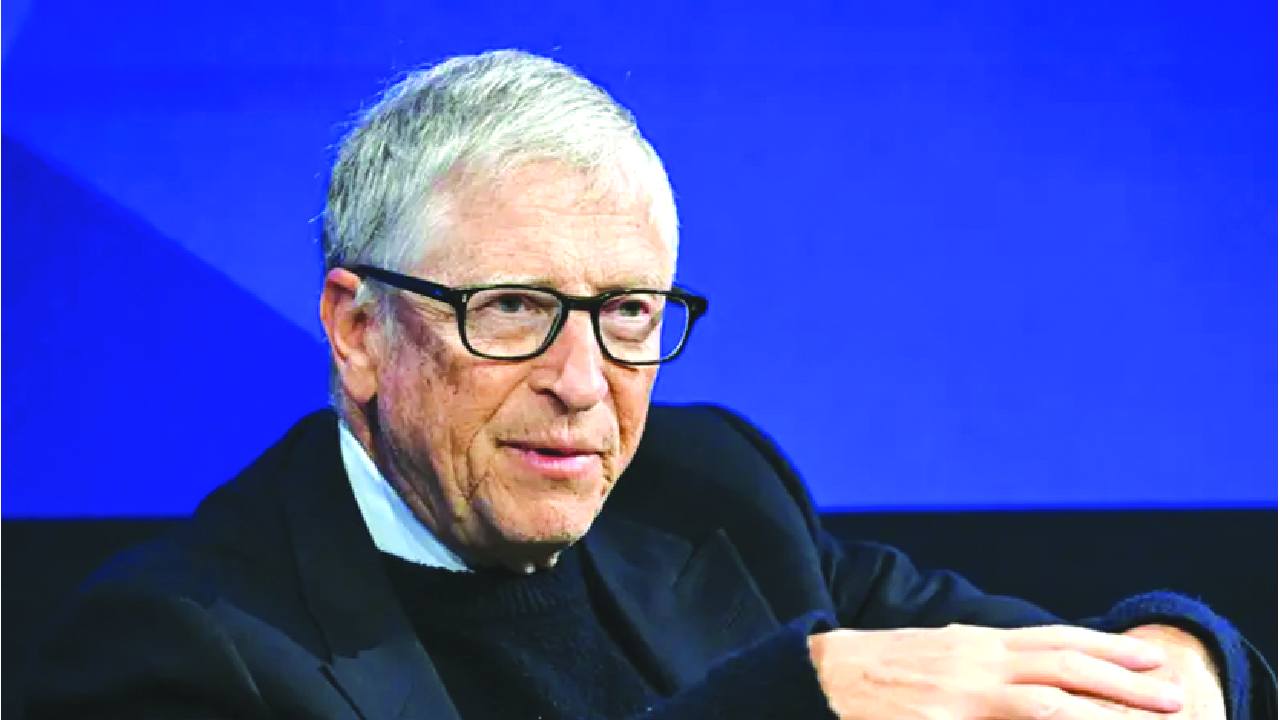
Microsoft co-founder Bill Gates has cancelled his planned keynote speech at the India AI Impact Summit in New Delhi, according to a statement released by his philanthropic organisation shortly before he was scheduled to appear.
The Gates Foundation said the decision followed “careful consideration” and was intended to keep attention on the summit’s main themes, though it did not provide further details behind the move.
Withdrawal Linked to Renewed Controversy
Gates’s absence comes amid renewed scrutiny over his past association with the late financier Jeffrey Epstein, after his name appeared in recently released documents from the United States Department of Justice in January.
A spokesperson for Gates has strongly rejected the allegations linked to the files, describing the claims as “absolutely absurd and completely false”. Gates has previously acknowledged that he regretted meeting Epstein but has not been accused of wrongdoing by any victims, and his inclusion in the documents does not indicate criminal activity.
The foundation confirmed that Ankur Vora, president of its Africa and India offices, would deliver remarks in Gates’s place. It also reiterated its continued commitment to development initiatives in India, particularly in areas such as health, education, agriculture and technology.
Days of Uncertainty Before the Decision
The announcement followed several days of speculation regarding whether Gates would attend the summit. He is currently in India and had recently visited Andhra Pradesh, where discussions reportedly focused on strengthening cooperation in public health, agriculture, education and technological innovation.
Earlier in the week, his foundation had indicated that he would still deliver the keynote, making the last-minute withdrawal a notable development for organisers.
Impact on India’s Flagship AI Event
Gates’s absence is seen as a setback for the India AI Impact Summit, a major five-day event positioned by the Indian government as a flagship platform to showcase the country’s ambitions as a global leader in artificial intelligence.
The summit features policy dialogues, startup showcases, and closed-door discussions on AI governance, infrastructure, and technological innovation. Delegates from more than 100 countries, including political leaders, technology executives and policymakers, are in attendance.
Despite the controversy, the event has continued with major announcements, including investment commitments by global companies to expand AI infrastructure and accessibility in emerging markets such as India.
Calls for Responsible and Inclusive AI Development
Prominent technology and political leaders used the summit to emphasise the need for responsible AI regulation and broader global cooperation. OpenAI chief Sam Altman urged urgent safeguards for artificial intelligence, stating that wider access to AI technology could help ensure global progress while avoiding excessive concentration of power.
Indian Prime Minister Narendra Modi also highlighted the importance of inclusive technological growth, stressing that AI should empower societies rather than reduce individuals to mere data inputs. He called for shared access to innovation, particularly for developing nations.
French President Emmanuel Macron echoed similar views, advocating for collaborative development of AI systems and a shift in focus from rapid expansion to responsible advancement.
United Nations Secretary-General António Guterres warned against allowing AI’s future to be shaped by only a few countries or powerful individuals, while Google CEO Sundar Pichai underscored India’s growing strategic importance in the global AI ecosystem, including plans for an AI hub in Visakhapatnam.
Meanwhile, business leaders also signalled long-term commitments to the sector, with major investment pledges aimed at strengthening India’s AI infrastructure and innovation capacity over the coming years.
Continued Engagement in India
Although Gates did not address the summit, his foundation emphasised that its partnerships and projects in India remain unchanged. The organisation continues to work on initiatives related to healthcare, agricultural development, education and digital innovation across the country.
The summit itself has already faced some early controversies unrelated to Gates’s withdrawal, including organisational issues and debates over technology claims presented during the event. However, organisers maintain that the gathering remains a key milestone in positioning India as a central hub in the global artificial intelligence landscape.
Gates’s decision to step back from the keynote highlights how reputational controversies can intersect with high-profile global technology events, even as discussions on AI governance, regulation and democratisation continue to dominate the summit’s agenda.