

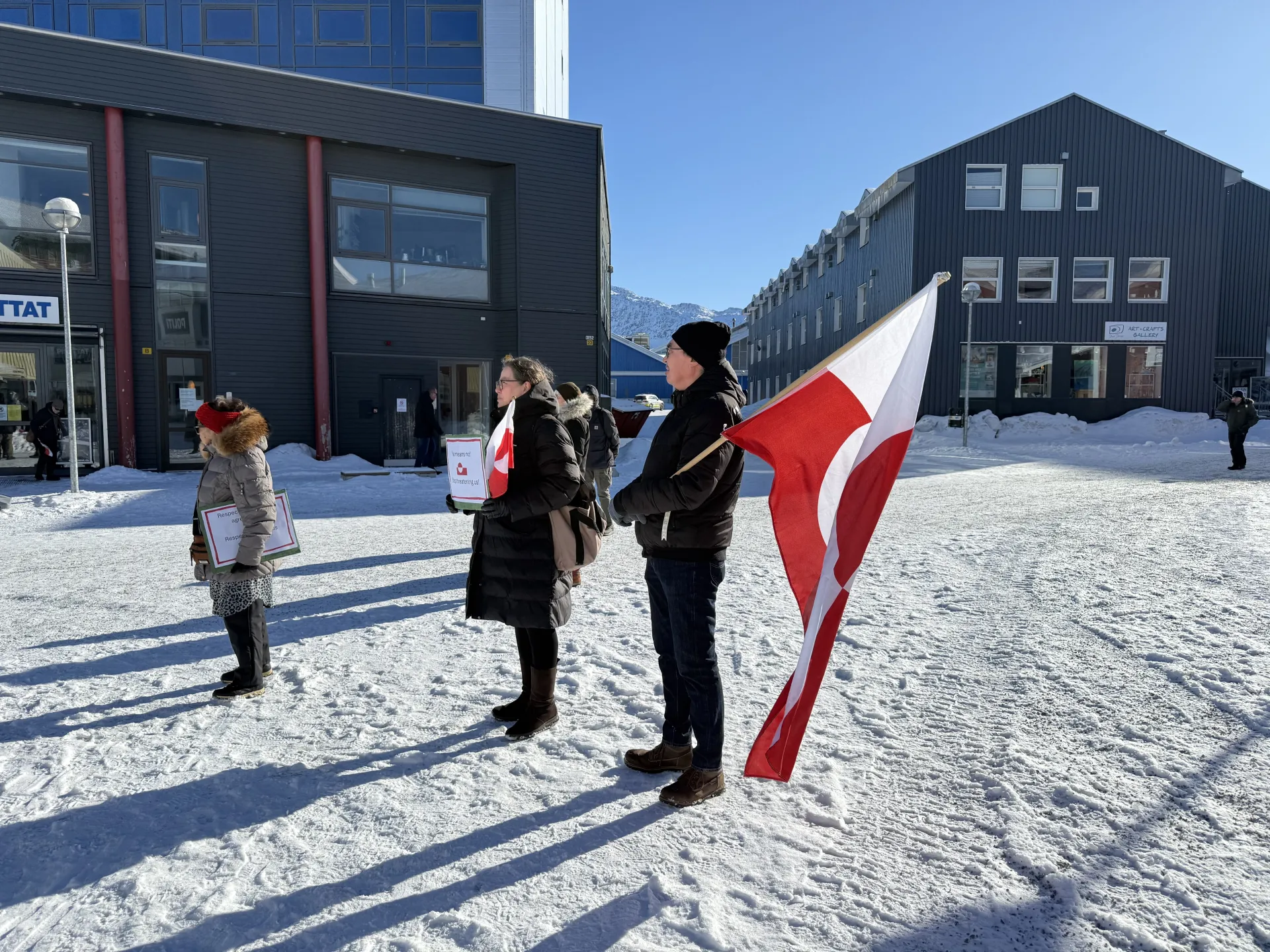
In the Arctic town of Ilulissat, overlooking an ice fjord on Greenland western coast, fisherman Joel Hansen says he feels deep anxiety over the possibility that the island could one day fall under United States control.
Hansen’s fears follow repeated statements by Donald Trump, who has said Greenland will become part of the United States “one way or another,” without ruling out the use of military force. While the Trump administration frames Greenland as strategically vital to U.S. national security, residents and analysts believe the island’s vast and largely untapped mineral resources are a central factor behind Washington’s interest.
“I am terrified to be American,” Hansen told Al Jazeera, speaking from Ilulissat, where he has fished among towering icebergs for 14 years. “I’ve seen how Alaskan Inuits live. Life is hard.”
Concerns Over Culture and Daily Life
Hansen, who is of both Inuit and Danish heritage, says he worries that a U.S. takeover would fundamentally alter the way of life in Greenland. Despite Greenland’s complicated history with Denmark, which began colonising the island in 1721, he believes remaining tied to Denmark may offer more protection for local communities.
“I love Greenland because we have the freedom to work for ourselves,” he said, referring to the independence many fishermen enjoy.
Greenland has held home rule since 1979 and gained expanded autonomy under the Self-Government Act of 2009, yet it remains part of the Danish kingdom and politically aligned with Europe. Geographically, however, it sits within North America, a point frequently cited by U.S. officials.
A Wealth of Untapped Resources
Greenland’s vast size and harsh climate have left much of its mineral wealth undeveloped. The island is believed to hold significant deposits of zinc, iron, uranium and graphite, as well as the world’s eighth-largest reserves of rare-earth elements.
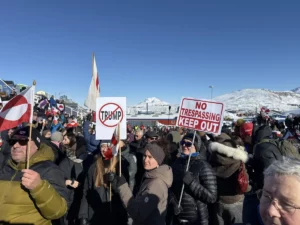
These minerals are essential for modern technologies, including wind turbines, electric vehicles, smartphones, advanced weapons systems and fighter jets. U.S. officials have expressed particular concern over supply chains, noting that China controls a large share of global rare-earth production and processing.
Although only two mines are currently operating in Greenland, many residents believe the island could eventually build its own mining and processing capacity. “We have enough resources to stand on our own,” Hansen said. “We don’t need money from Trump.”
Inuit Communities Voice Alarm
Inuit communities around Ilulissat, which recently saw the sun return after months of polar night, fear that large-scale U.S. involvement would prioritize extraction over people.
Ahead of high-level talks in Washington between Danish and Greenlandic officials and U.S. Secretary of State Marco Rubio and Vice President JD Vance, Inuit Greenlander Karl Sandgreen expressed hope that U.S. leaders would consider the human impact of their policies.
“My hope is that there will be humanity in those talks,” said Sandgreen, head of the Ilulissat Icefjord visitor centre.
He said Inuit culture, which has existed in Greenland for thousands of years, risks being sidelined by outside economic interests. “We are totally different. We are Inuit. This is our home,” he said. “This is my children’s future — not a future for people who only think about resources.”
Uncertain Future
While Greenland’s government has not endorsed any change in sovereignty, Trump’s remarks have heightened unease across the island. For many Greenlanders, the debate is no longer just about geopolitics or minerals, but about identity, autonomy and the survival of an ancient way of life.
As international attention on Greenland intensifies, residents like Hansen say they can only hope decisions made far from the Arctic will take their voices into account.