
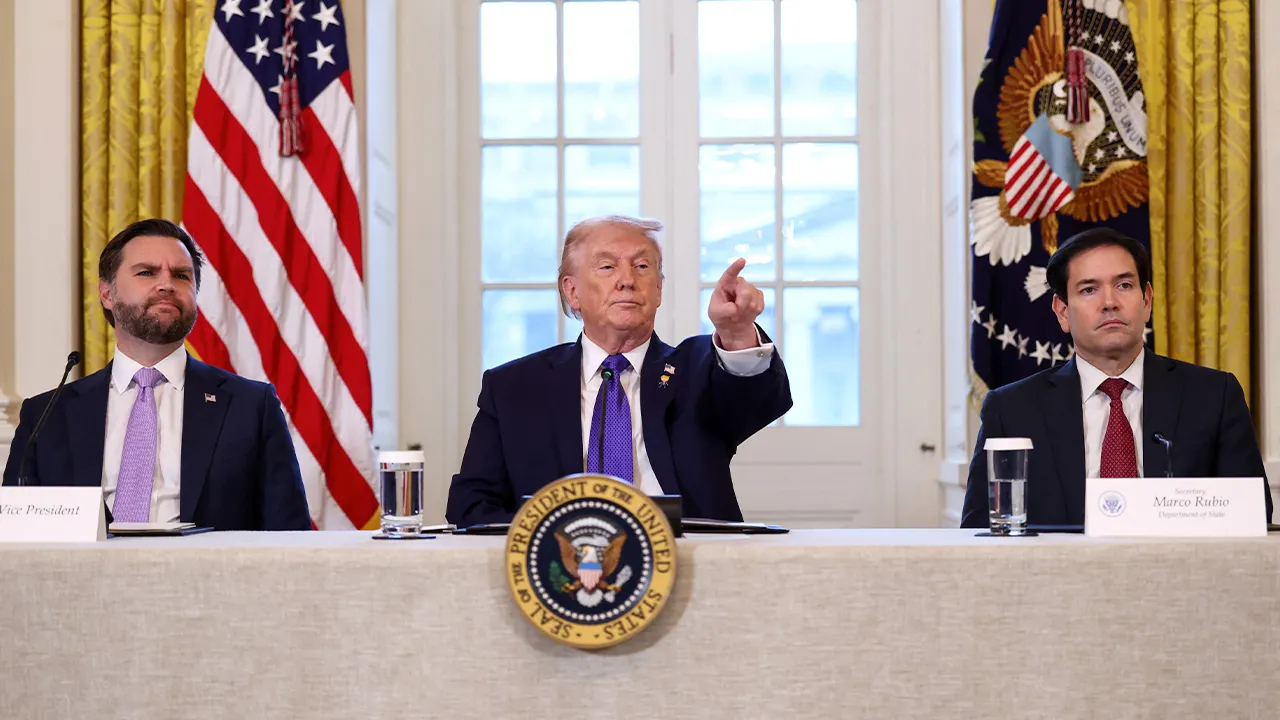
The United States has formally designated Muslim Brotherhood organisations operating in Egypt, Lebanon and Jordan as terrorist groups, marking a significant escalation in Washington’s campaign against movements it views as hostile to Israel.
The move, announced on Tuesday, follows an executive order issued weeks earlier by Donald Trump, instructing federal agencies to begin the process of blacklisting Muslim Brotherhood affiliates.
Treasury and State Department Announce Sanctions
The US Department of the Treasury classified the Muslim Brotherhood groups in Egypt and Jordan as “specially designated global terrorists,” a status that triggers financial sanctions and criminal penalties for providing material support.
Meanwhile, the US Department of State applied a more severe label to the Lebanese branch, designating it as a “foreign terrorist organization” (FTO). That classification includes travel bans and additional legal restrictions on members.
U.S. officials said the designations were based on allegations that the groups support the Palestinian movement Hamas and engage in activities viewed as hostile to Israeli interests in the region.
“Muslim Brotherhood branches present themselves as legitimate civic groups while covertly backing terrorist organisations such as Hamas,” the Treasury said in a statement.
Muslim Brotherhood Rejects Allegations
Salah Abdel Haq, acting general guide of the Egyptian Muslim Brotherhood, strongly rejected the U.S. decision and said the group would pursue legal challenges.
“This designation is baseless and harms millions of Muslims worldwide,” he said in a statement to Al Jazeera, denying any involvement in violence or terrorism.
Abdel Haq suggested the move was driven by pressure from Israel and the United Arab Emirates rather than objective evidence. He said the decision reflected foreign political influence rather than U.S. national interests.
Legal and Political Consequences
Under U.S. law, the designations make it illegal for individuals or entities to provide financial or logistical support to the targeted organisations. Assets linked to the groups can be frozen, and transactions involving them are prohibited.
The FTO designation applied to the Lebanese organisation carries additional consequences, including barring members from entering the United States.
Background on the Muslim Brotherhood
Founded in 1928 by Egyptian scholar Hassan al-Banna, the Muslim Brotherhood has developed branches and affiliated movements across the Middle East, ranging from political parties to social and religious organisations.
The group and its affiliates maintain that they operate through peaceful political participation.
In Lebanon, the Brotherhood-linked organisation al-Jamaa al-Islamiya holds seats in parliament. In Jordan, the movement’s political wing, the Islamic Action Front, secured 31 seats in the 2024 parliamentary elections, though authorities later banned the organisation over alleged security concerns.
In Egypt, the Brotherhood briefly held power after winning the country’s only competitive presidential election in 2012. President Mohamed Morsi was removed in a military coup the following year and later died in prison. Since then, Cairo has outlawed the group and carried out a wide-ranging crackdown on its leadership and supporters.
Egypt’s Foreign Ministry welcomed Washington’s decision, calling it a “pivotal step” that reflects what it described as the dangers posed by the group’s ideology.
Regional and Domestic Repercussions
Muslim Brotherhood-inspired groups across the region have been outspoken critics of Israel’s war in Gaza. In Lebanon, al-Jamaa al-Islamiya has backed Hezbollah’s actions against Israel, which escalated into broader conflict in 2024.
The Lebanese group said the U.S. designation had no legal standing inside Lebanon, arguing that it was a political decision serving Israeli interests rather than an outcome of judicial proceedings.
In the United States, the move has also had domestic ripple effects. Conservative activists and lawmakers have long pushed to link Muslim civil society groups to the Brotherhood.
Following the federal designation, the governors of Texas and Florida moved to label the Council on American-Islamic Relations (CAIR) as a terrorist organisation. CAIR has denied any ties to the Muslim Brotherhood and has filed lawsuits challenging the decision.