
Hospitals across Iran are struggling to cope with a surge of injured patients as anti-government protests continue and authorities issue increasingly forceful warnings to demonstrators, medical workers have told the BBC.
A doctor and a medic working at separate hospitals said their facilities were operating under extreme pressure, with emergency services stretched to breaking point. One physician said a specialist eye hospital in Tehran had entered crisis mode, while another medic reported severe staff shortages as injured protesters were brought in in large numbers.
The warnings come as unrest spreads across dozens of locations nationwide. On Friday, US President Donald Trump said Iran was in “big trouble” and cautioned authorities against using lethal force, saying: “You better not start shooting because we’ll start shooting too.”
Iran, meanwhile, accused Washington of escalating the unrest. In a letter to the United Nations Security Council, Tehran said the United States was turning protests into what it described as “violent subversive acts and widespread vandalism.”
Hospitals under strain
With international media largely barred from reporting inside Iran and the country under a near-total internet blackout since Thursday evening, information has been difficult to verify.
One Iranian doctor, who contacted the BBC via Starlink satellite internet late Friday, said Farabi Hospital—Tehran’s main eye-care centre—had suspended non-urgent admissions and surgeries as staff were redeployed to deal with emergency cases.
The BBC also obtained video and audio messages from a medic in the south-western city of Shiraz, who said the hospital was receiving large numbers of injured people and lacked enough surgeons to manage the flow of patients. The medic claimed many of those arriving had gunshot wounds to the head and eyes.
A health worker at another hospital in Tehran also told the BBC that patients included people suffering from gunshot injuries.
Rising death toll and official response
According to the US-based Human Rights Activists News Agency (HRANA), at least 51 protesters—including seven children—and 21 security personnel have been killed since demonstrations began on December 28. The group said more than 2,300 people have been arrested.
The Norway-based Iran Human Rights reported a similar death toll, while BBC Persian said it had verified the identities of 26 protesters killed, including five children.
Iranian police said no deaths were recorded in Tehran overnight on Friday, though they acknowledged extensive property damage, including 26 buildings set on fire.
A spokesperson for UN Secretary-General António Guterres said the organisation was deeply disturbed by the loss of life, stressing that people have a right to protest peacefully and governments have a duty to protect that right.
International pressure and defiant leadership
Leaders of France, the United Kingdom and Germany issued a joint statement urging Iranian authorities to protect civilians and allow peaceful assembly without fear of reprisal.
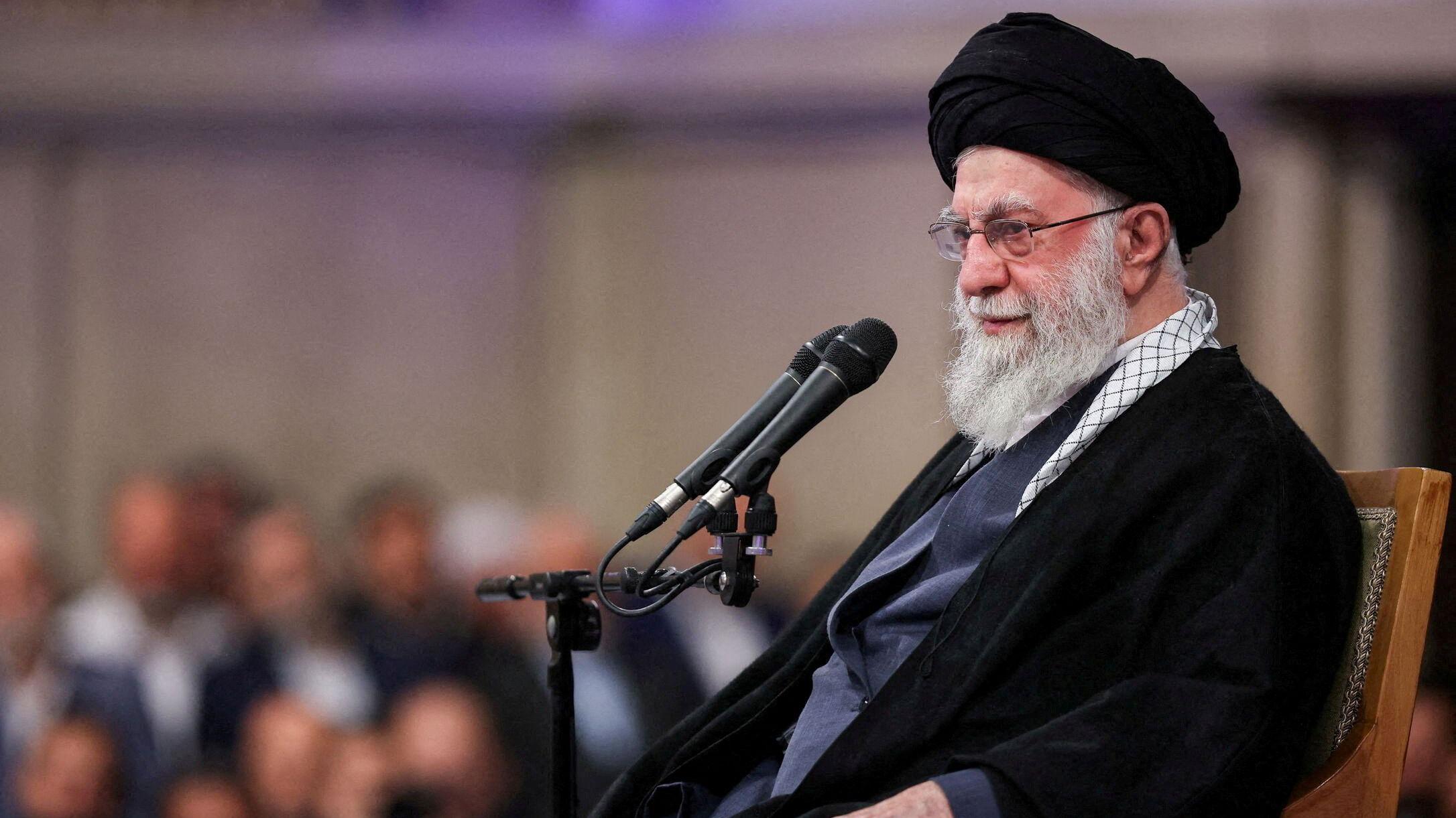
Iran’s Supreme Leader Ayatollah Ali Khamenei, however, struck a defiant tone in a televised address, saying the Islamic Republic would not retreat in the face of unrest. Later, speaking to supporters on state television, he said Iran would not hesitate to confront what he called “destructive elements.”
By contrast, exiled opposition figure Reza Pahlavi, son of Iran’s last shah, praised the protests and urged demonstrators to expand their actions, calling for efforts to seize and hold city centres. He said he was preparing to return to Iran.
Former British ambassador to Iran Simon Gass cautioned against assuming regime change was imminent, citing the lack of an organised opposition. Still, he noted that the current unrest appeared broader than previous protests, driven largely by economic hardship.
Escalating rhetoric
At the White House, Trump said his administration was closely monitoring developments, warning that the US would respond forcefully if violence escalated, though he ruled out deploying ground troops.
The US State Department later dismissed comments by Iranian Foreign Minister Abbas Araghchi, who accused Israel and Washington of fuelling the unrest, calling the claims “delusional.”
US Secretary of State Marco Rubio said on social media that the United States supports “the brave people of Iran.”
Iranian political activist Taghi Rahmani, whose wife and Nobel Peace Prize laureate Narges Mohammadi was re-arrested in December, warned that foreign backing could undermine the opposition’s independence.
Meanwhile, Iran’s security and judicial bodies issued coordinated warnings, with the Supreme National Security Council pledging “decisive” legal action against protesters it described as armed vandals. The intelligence wing of the Islamic Revolutionary Guard Corps said it would continue operations until what it called hostile plans were fully defeated.
As protests persist, medical workers warn that the country’s hospitals—already under strain—may soon reach breaking point.