


One of the most consequential chapters in Australia military history began quietly on a Sydney airport tarmac, where Ben Roberts-Smith was taken from a plane and escorted to a waiting police vehicle.
Roberts-Smith, widely known as Australia’s most decorated living soldier and one of the country’s best-known veterans, was charged on Tuesday with five counts of the war crime of murder.
The charges follow years of scrutiny over his service in Afghanistan and come after a major civil defamation case that drew national attention. In that case, a court found in 2023 that reports alleging Roberts-Smith had unlawfully killed several unarmed Afghan detainees were substantially true.
The former Special Air Service corporal, who left the Australian Defence Force in 2013, has consistently denied all allegations. He has described the claims against him as outrageous and motivated by resentment from former colleagues.
Now, his case is moving into the criminal arena, where the allegations will be tested under a far higher legal standard. For Australia, the prosecution marks a defining moment in a broader reckoning over the conduct of its forces during the war in Afghanistan. It also raises uncomfortable questions about a military legacy long tied to honour, sacrifice and national pride.
From National Hero to Defendant in a War Crimes Case
When Roberts-Smith returned from Afghanistan in 2013, he was widely celebrated as a national hero. He had received the Victoria Cross, Australia’s highest military honour, for his actions during a battle in which he was credited with overpowering Taliban fighters attacking his SAS platoon.
In the years that followed, he became one of the country’s most recognisable veterans. He appeared on magazine covers, took up speaking engagements and board positions, and was showered with public praise and awards.
That image began to unravel in 2018, when Nine newspapers published a series of reports alleging misconduct during his military service. The articles included claims of unlawful killings, mistreatment of prisoners, bullying, and domestic violence.
Roberts-Smith rejected the accusations and launched a lengthy defamation battle in an attempt to restore his reputation. The case lasted seven years, cost millions of dollars, and became one of the most closely followed legal fights in modern Australia.
He ultimately lost. Although some allegations were dismissed, the court ruled that the claims he committed four murders were substantially true, and that ruling was later upheld on appeal.
Now aged 47, Roberts-Smith faces far more serious consequences if convicted in the criminal case, including life imprisonment and a permanent place in Australian legal history.
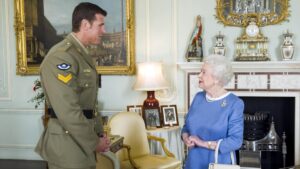
A Rare and Unprecedented Prosecution
Legal experts say the prosecution is extraordinary not only in Australia, but internationally. While recipients of top military honours in other Commonwealth nations have faced criminal charges, Roberts-Smith is believed to be the first Victoria Cross recipient charged with a war crime.
His arrest follows a five-year investigation led by the Office of the Special Investigator, a body established after the release of the Brereton Report in 2020. That report found credible evidence suggesting elite Australian soldiers unlawfully killed 39 people in Afghanistan and recommended that 19 current or former ADF personnel be investigated.
Since then, the OSI has opened dozens of inquiries, but only a small number have progressed to charges. Roberts-Smith is only the second person to face prosecution, after former SAS soldier Oliver Schulz.
Investigators have said the process has been especially difficult because the alleged crimes took place in a war zone thousands of kilometres from Australia. Much of the physical evidence does not exist or was never preserved. Authorities do not have access to the original crime scenes, the bodies of the deceased, or the kind of forensic material typically used in murder cases.
Witness testimony is also likely to be central, especially from current and former soldiers. That adds another layer of difficulty, given the culture of loyalty often found inside military units. Still, analysts say a growing number of witnesses appear to have concluded that truth must come before personal allegiance.
A Case That Could Take Years to Resolve
Despite the dramatic nature of the charges, any full criminal trial is still likely to be years away. Experts say Australia has little recent experience conducting war crimes trials of this complexity.
The case involves five separate charges tied to events from years ago, and each allegation brings a substantial body of evidence. The legal system will also need to manage issues around protected witnesses, national security, communication with people based in Afghanistan, and the challenge of ensuring a fair trial after such intense public coverage.
Finding jurors unfamiliar with Roberts-Smith and the extensive reporting surrounding him may also prove difficult. Years of media attention, including the 110 days of evidence presented in the defamation case, mean much of the story is already well known to the public.
This long process is also testing Australia’s confidence in its military institutions. The case has caused distress for defence personnel, veterans and the families of alleged victims. At the same time, some argue the investigations are necessary if the country is serious about upholding the rule of law, even when national heroes are involved.
A Test of Australia’s Military Identity
For decades, Australia has embraced the idea that its troops represent courage, fairness and integrity. Those ideals, often linked to the Anzac tradition, have become part of the country’s national identity.
But the allegations emerging from Afghanistan have placed that image under intense pressure. The Roberts-Smith case has become symbolic of a larger debate over what accountability should look like in wartime and whether military honour can coexist with serious accusations of misconduct.
Public reaction remains divided. Some prominent Australians have argued that former soldiers are being unfairly targeted. Others insist the charges show that no one should be beyond the reach of the law.
For some observers, that is exactly what makes this moment so significant. However painful or controversial the process may be, they argue it demonstrates a commitment to ethics, justice and legal accountability that many countries have struggled to show.
As the case moves forward, Roberts-Smith remains entitled to the presumption of innocence. But regardless of the final outcome, the proceedings are already shaping a defining moment in Australia’s legal and military history.