

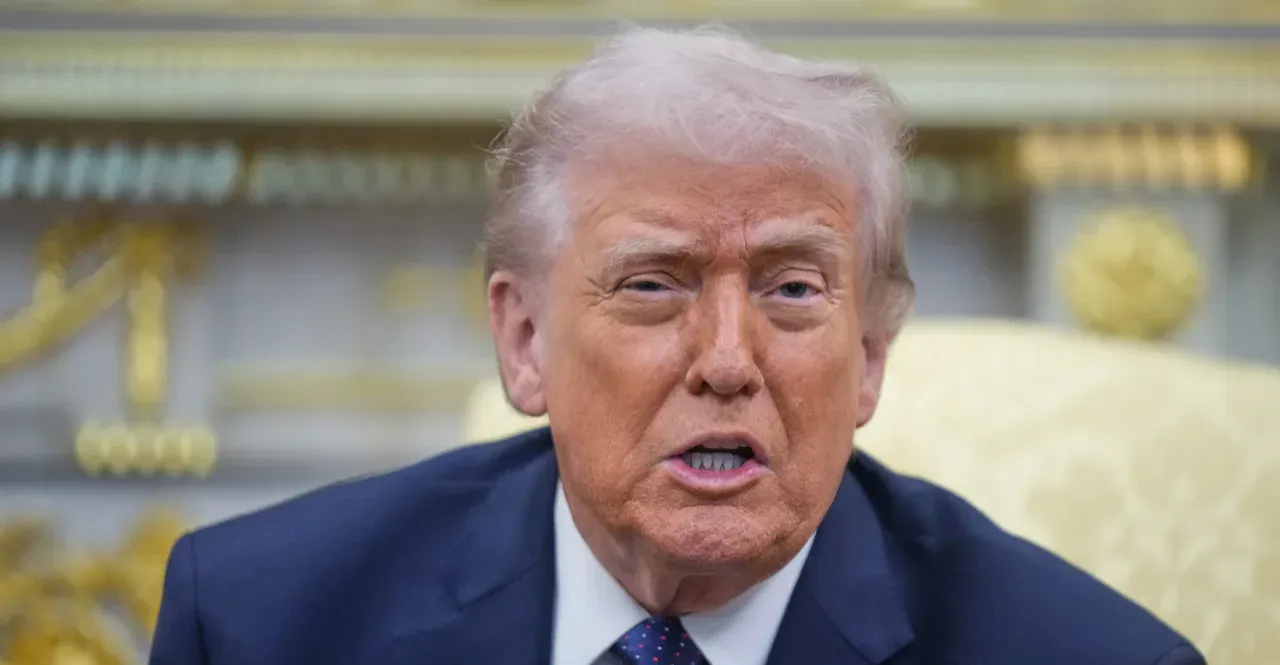
Three weeks after the joint US-Israeli war on Iran began, the conflict has entered a confusing and uncertain stage, with President Donald Trump sending mixed messages about where it is heading. While he has suggested the war is nearly complete and may soon slow down, military activity on the ground points to a far more unsettled reality.
Trump has described the campaign as close to achieving its goals. At the same time, the United States is moving more forces into the region, including additional Marines and naval support, even as bombing and missile strikes on Iranian targets continue. Reuters reported on March 20 that thousands of additional Marines and sailors were being sent to the Middle East, adding to the more than 50,000 US troops already in the region.
Hormuz Becomes a New Pressure Point
One of the biggest concerns is the Strait of Hormuz, the narrow waterway through which roughly one-fifth of the world’s oil and gas passes. Trump has said reopening the strait should be simple, but shipping remains heavily disrupted and oil markets continue to feel the shock. Reuters reported on March 22 that Trump threatened strikes on Iranian power plants unless Tehran fully reopened Hormuz within 48 hours.
That threat marked a sharper tone than the one he used a day earlier, when he posted a list of US war aims that focused on weakening Iran’s military, damaging its defense and nuclear capabilities, and protecting American allies. Notably, securing Hormuz was not clearly listed among those main objectives.
Goals of the War Still Look Unclear
The shifting language from the White House has raised more questions about what success would actually look like. Earlier in the conflict, Trump made remarks that suggested broader ambitions, including talk that seemed to hint at regime change. More recent statements appear narrower, focusing on military and nuclear targets instead.
That leaves open the possibility that the war could end with Iran’s current leadership still in power, its oil exports at least partly preserved, and its influence over Hormuz not fully broken. For critics of the administration, that would look far less decisive than the sweeping rhetoric that marked the early days of the conflict.
More Troops, More Risks
Even as Trump says he is not sending ground troops into Iran, the growing US military presence has fueled speculation about possible next steps. Reuters reported that the newly deployed Marines could be used for a range of missions, including operations on land. That has added to concerns that Washington may still be keeping escalation options open.
Iran has also warned that any broader US move could trigger retaliation against energy routes and regional infrastructure. Reuters reported earlier this week that Tehran had warned Gulf energy sites after attacks on Iranian facilities, showing how quickly the war could widen beyond Iran and Israel alone.
Congress Wants Answers
Inside Washington, pressure is also building in Congress. Lawmakers from both parties are asking for a clearer explanation of the mission, its cost, and how long it could last. The Associated Press reported that the Pentagon is seeking an additional $200 billion for the Iran war, a request that has been met with caution even by some Republicans.
Many lawmakers say the administration has yet to fully explain its endgame. That uncertainty has made it harder for the White House to convince skeptics that the war is either limited or close to conclusion.
A Turning Point With No Clear Direction Yet
The war now appears to be at a pivotal moment. Trump is balancing military pressure, rising energy fears, and political scrutiny at home, while still leaving key questions unanswered. On one side is a possible off-ramp built around limited goals. On the other is the risk of a deeper and more expensive conflict if the US chooses to escalate further.
For now, the biggest reality is uncertainty. Washington says progress is being made, but troop deployments, threats over Hormuz, and continued strikes suggest the next phase of the conflict is still very much undecided.