
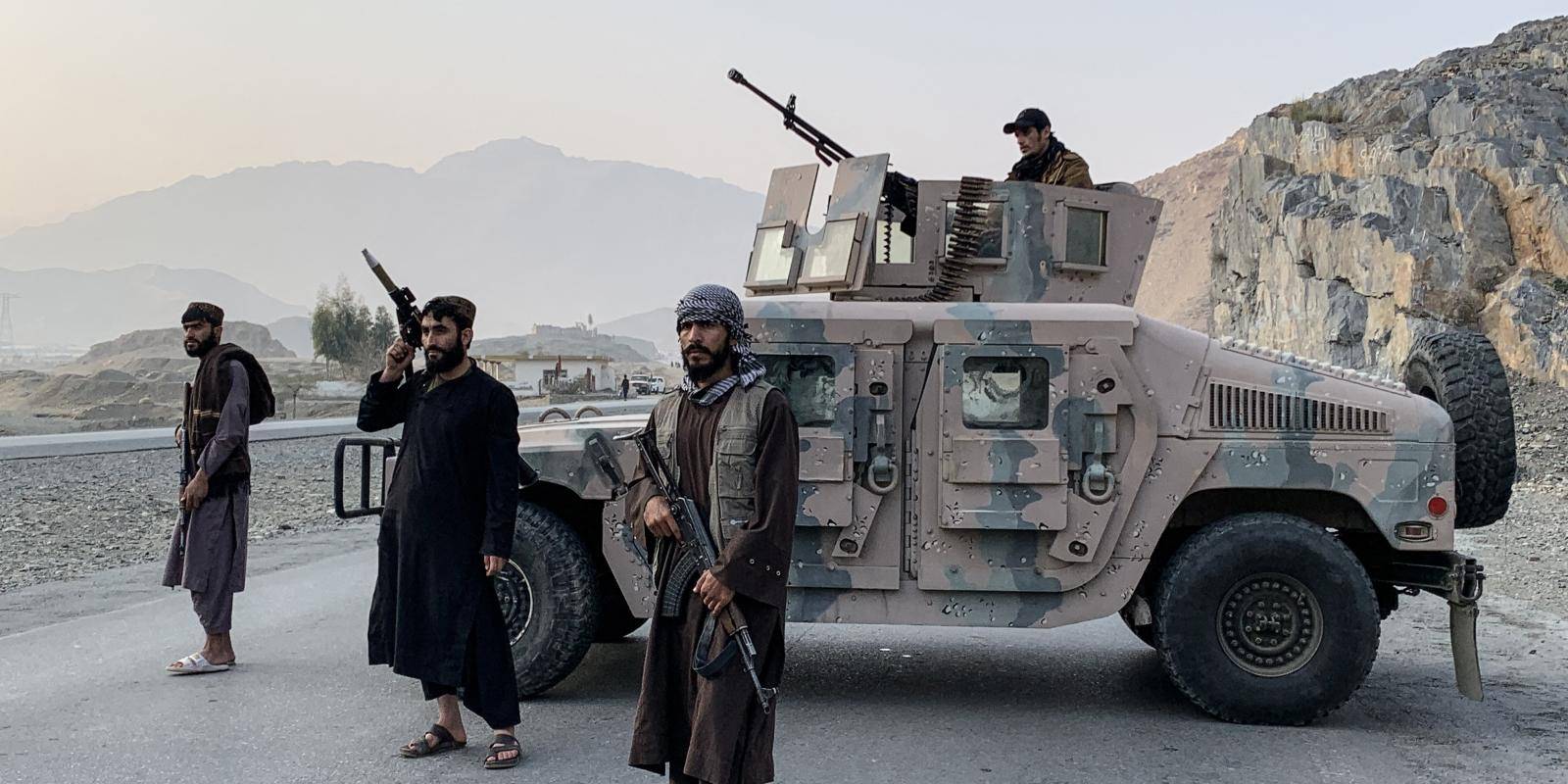
Monday’s air strike on Kabul became the deadliest known incident since fighting resumed in February, and it quickly triggered another battle beyond the military one: a fierce contest over public perception. Within hours of the explosions, Afghan and Pakistan officials were using social media to push sharply different accounts of what had happened, as families and observers searched for answers.
Taliban government spokesperson Zabihullah Mujahid said Pakistan had violated Afghan airspace and hit a drug rehabilitation hospital in Kabul, calling it a crime against humanity. Pakistan’s Ministry of Information rejected that account, calling it propaganda and insisting its forces had precisely targeted military sites and infrastructure linked to militants in Kabul and Nangarhar.
By the next morning, Taliban officials said the death toll had climbed above 400. Reuters reported that the United Nations Assistance Mission in Afghanistan later verified 143 deaths and 119 injuries at the rehab centre, while also noting the toll could rise further as verification continued.
Conflicting Accounts Shape the Conflict
The strike has become a clear example of how both sides are trying to frame the wider conflict. Afghan officials say civilians receiving treatment were hit in a medical facility. Pakistan maintains that it targeted militant-linked infrastructure and has not accepted responsibility for civilian casualties.
That gap in messaging has only widened in the days since the attack. Pakistani military officials have continued to argue that the intended target was linked to militant activity, while Afghan authorities have portrayed the strike as evidence of aggression against Afghan sovereignty and civilians. International rights groups have called for an independent investigation into the circumstances of the bombing and the resulting casualties.
Why the Two Sides Say They Are Fighting
Pakistan says the conflict is rooted in security threats and cross-border militancy. Reuters has reported that Islamabad accuses the Taliban-led government of allowing anti-Pakistan militants to operate from Afghan territory, a claim Kabul denies. The dispute has become one of the main drivers of the current confrontation.
The Taliban government, for its part, argues that Pakistan is using militancy as a justification for violating Afghan territory. Afghan officials frame their actions as defensive and say Pakistan is trying to shift blame for problems that originate inside its own borders.
This is why the struggle is not only about air strikes, drones, and border attacks. It is also about legitimacy, blame, and international sympathy. Each side wants to control how the conflict is understood at home and abroad.
Escalation Has Left Less Space for Compromise
The current phase of the conflict has shown both sides becoming more open and more aggressive in their messaging. Reuters reported that Pakistan and Afghanistan later agreed to pause military operations for Eid al-Fitr after mediation efforts, but the underlying dispute remains unresolved.
That temporary pause may offer a narrow opening for diplomacy, yet the rhetoric from both governments suggests trust has eroded badly. With accusations hardening and military actions becoming more direct, space for reconciliation appears to be shrinking.
A Conflict Fought in Public as Well as on the Battlefield
The Kabul strike showed how modern conflict is shaped not only by what happens on the ground, but also by who persuades the public first. Afghanistan says a treatment centre was attacked. Pakistan says it hit militant targets. The battle over facts, language, and legitimacy is now a central part of the Afghan-Pakistan crisis itself.