
Court documents released on Monday allege that the father and son accused in Australia’s deadliest terror attack carried out firearms training in a remote rural location ahead of the Bondi Beach shooting.
According to a statement of alleged facts issued by a magistrate, videos show Sajid Akram (50) and his son Naveed Akram (24) handling rifles and moving in a manner consistent with tactical training. The document, which contains redactions, includes still images taken from those recordings.
“The accused and his father are seen throughout the video firing shotguns and moving in a tactical manner,” the court filing states.
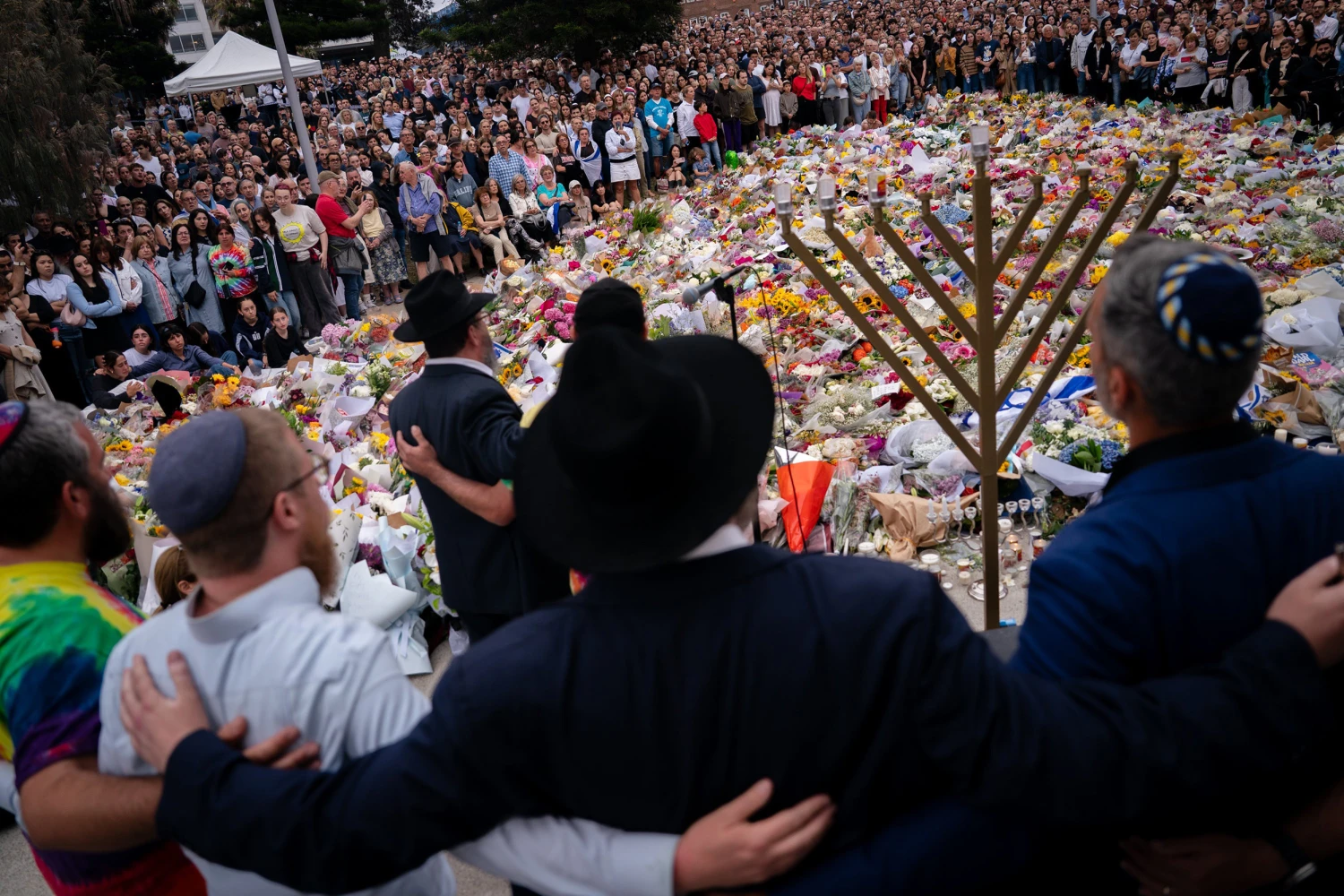
The December 14 attack at Bondi Beach left 15 people dead. Authorities said the victims were members of Jewish families gathered to celebrate Hannukah. Sajid Akram was fatally shot by police at the scene. His son survived and now faces a terrorism charge, 15 counts of murder, and 40 counts of attempted murder.
Alleged use of improvised explosives
The document alleges that moments before opening fire, the two men threw four improvised explosive devices toward the crowd. None of the devices detonated, but investigators said all were functional.
The explosives included three pipe bombs and one device concealed inside a tennis ball. Images of the devices were attached to the court record, along with photos of a fifth suspected bomb found in the trunk of the vehicle used to travel to Bondi.
Prosecutors say the presence of multiple devices points to an intention to cause mass casualties.
The court filing also alleges the pair recorded videos expressing extremist views. In one recording, filmed in front of an image of an Islamic State flag, they are said to have condemned “Zionists” and appeared to outline what investigators believe was their justification for the attack.
“There is evidence that the accused and his father meticulously planned this terrorist attack for many months,” the document states.
Reconnaissance and preparation before the attack
New details in the filing suggest the planning included surveillance of the attack location. Police allege that on December 12, two days before the shooting, the men visited Bondi Beach. CCTV footage reportedly shows them walking along a footbridge near Archer Park, the same area from which shots were later fired.
Authorities say this visit supports allegations of reconnaissance and deliberate preparation.
The document also notes that the pair had traveled to the Philippines in November, where hotel staff said they stayed nearly a month and rarely left their room. Investigators are examining whether the trip had any connection to the planning of the attack.
Following the shooting, police searched a property in Bonnyrigg, west of central Sydney. Officers reportedly found two mobile phones, a homemade firearm, a longbow with 12 arrows, and a Quran with marked passages.
The suspects were also believed to have stayed in a rented room in Campsie, where police later discovered bomb-making materials, 3D-printed shotgun components, another longbow with arrows, and two copies of the Quran, one with a page flagged.
According to the filing, Naveed Akram was shot in the abdomen by police during the response to the attack. From his hospital bed, he declined to be interviewed on legal advice. He is scheduled to return to court in April.
Investigations into the attack and its broader implications for national security are ongoing.