

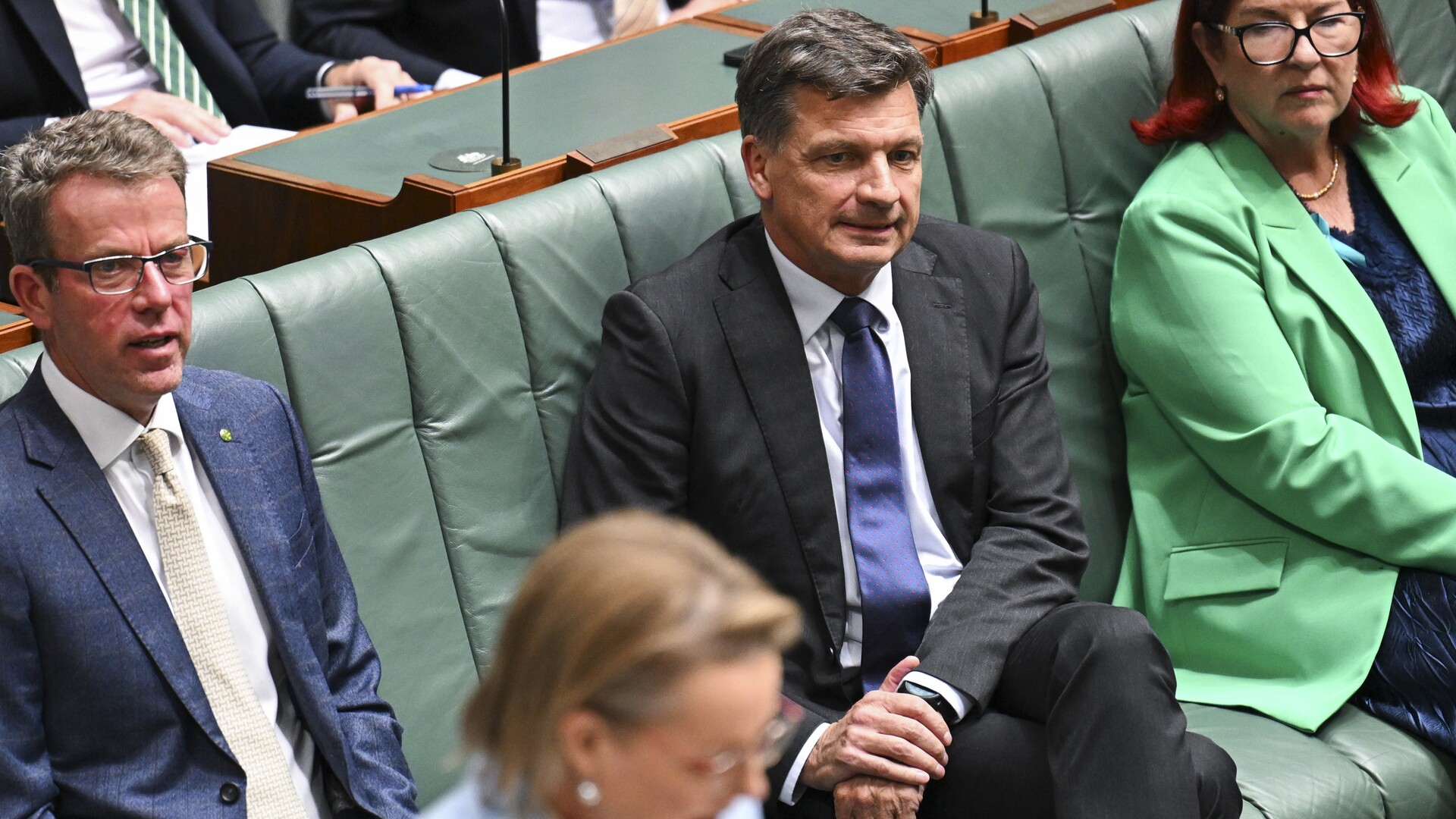
Australia opposition leader Sussan Ley, the first woman to head the Liberal Party, is confronting renewed instability following the resignation of shadow defence minister Angus Taylor.
Taylor’s departure from the leadership team is widely seen as a prelude to a potential challenge for the party’s top position. Australian media report that he has long harboured ambitions to replace Ley.
Ley narrowly defeated Taylor in last year’s leadership ballot after the Liberal Party suffered its worst-ever federal election result. Since then, however, she has struggled with declining poll numbers and persistent factional disputes within the Liberal–National coalition.
Coalition Struggles and Internal Divisions
The Liberal–National coalition, a political alliance dating back to the 1940s, has fractured twice during Ley’s leadership before reuniting, raising questions about stability within the opposition.
Taylor, aligned with the party’s conservative faction, has often clashed ideologically with Ley, who represents the moderate wing.
Announcing his resignation on Wednesday, Taylor said he would continue serving in the party but criticised its performance in opposition.
“We have failed to hold a bad Labor government to account,” he told reporters. He added that the party must focus on protecting Australians’ standard of living and restoring public confidence.
Taylor also suggested Ley was not positioned to lead the party effectively moving forward.
Possibility of Leadership Spill
It remains unclear whether other shadow cabinet members allied with Taylor will step down. Reports indicate that his supporters may seek a special party meeting to introduce a spill motion — a formal process that would open the leadership to contest.
Such a vote would end months of uncertainty surrounding Ley’s leadership, which has appeared fragile since she took office.
Recent Policy Disputes Add to Strain
The coalition had only just reunited after its most recent split, which stemmed from disagreements over hate speech legislation following the Bondi Beach attack in December. Ley had supported the proposed changes, but the Nationals declined to back the move.
When the coalition initially fractured in January, Nationals leader David Littleproud publicly stated that his party could not serve in a shadow cabinet under Ley’s leadership.
Earlier disagreements also centred on climate and energy policy, including the coalition’s former commitment to achieving net-zero emissions by 2050 — a target later abandoned under pressure from conservative elements within the coalition.
Polling Challenges and Rising Competition
Recent polling suggests that the populist One Nation party has overtaken the coalition in voter support, despite receiving just 6 percent of the national vote at the last election. Meanwhile, Ley’s personal approval ratings remain low.
Political analysts say the coalition has struggled to agree on the root causes of its heavy election defeat to the governing Australian Labor Party, which saw the Liberals lose substantial ground in major urban centres.
Observers note that the Nationals, traditionally stronger in rural areas and positioned further to the right, have responded to One Nation’s growing popularity by shifting more conservatively — a move that may complicate efforts by the Liberals to regain centrist voters in metropolitan areas.
Uncertain Path Ahead
With leadership tensions resurfacing and electoral support under pressure, the coming days may prove decisive for Ley and the direction of Australia’s opposition.