
Iran authorities have arrested four individuals, including well-known reformist politicians, accusing them of attempting to destabilise the country and acting in the interests of the United States and Israel during last month’s antigovernment protests.
The arrests were carried out late Sunday and early Monday, according to Iranian media, and targeted figures who had recently voiced criticism of Iran’s ruling establishment.
Those detained include Azar Mansouri, head of Iran’s Reformists Front; Mohsen Aminzadeh, a former diplomat; and Ebrahim Asgharzadeh, a former member of parliament.
Their lawyer, Hojjat Kermani, told the semiofficial ISNA news agency that Javad Emam, a spokesperson for the Reformists Front, was also taken from his home by security forces.
Iran’s judiciary alleged that the group was involved in “organising and leading extensive activities aimed at disrupting the political and social order” at a time when Iran was facing what it described as “military threats” from Israel and the United States. The claims were published by the judiciary’s official outlet, Mizan.
Authorities further accused the detainees of attempting to justify the actions of what they called “terrorist elements” involved in street protests.
The Reformists Front confirmed the arrests in a statement posted on X, saying Mansouri was detained at her home under a judicial warrant by intelligence agents of the Islamic Revolutionary Guard Corps (IRGC). The group added that other senior reformist figures, including deputy chairman Mohsen Armin and secretary Badralsadat Mofidi, had been summoned for questioning. Iranian outlets also reported that reformist activist Feizollah Arab Sorkhi had been called in by security authorities.
Deadly unrest and growing pressure
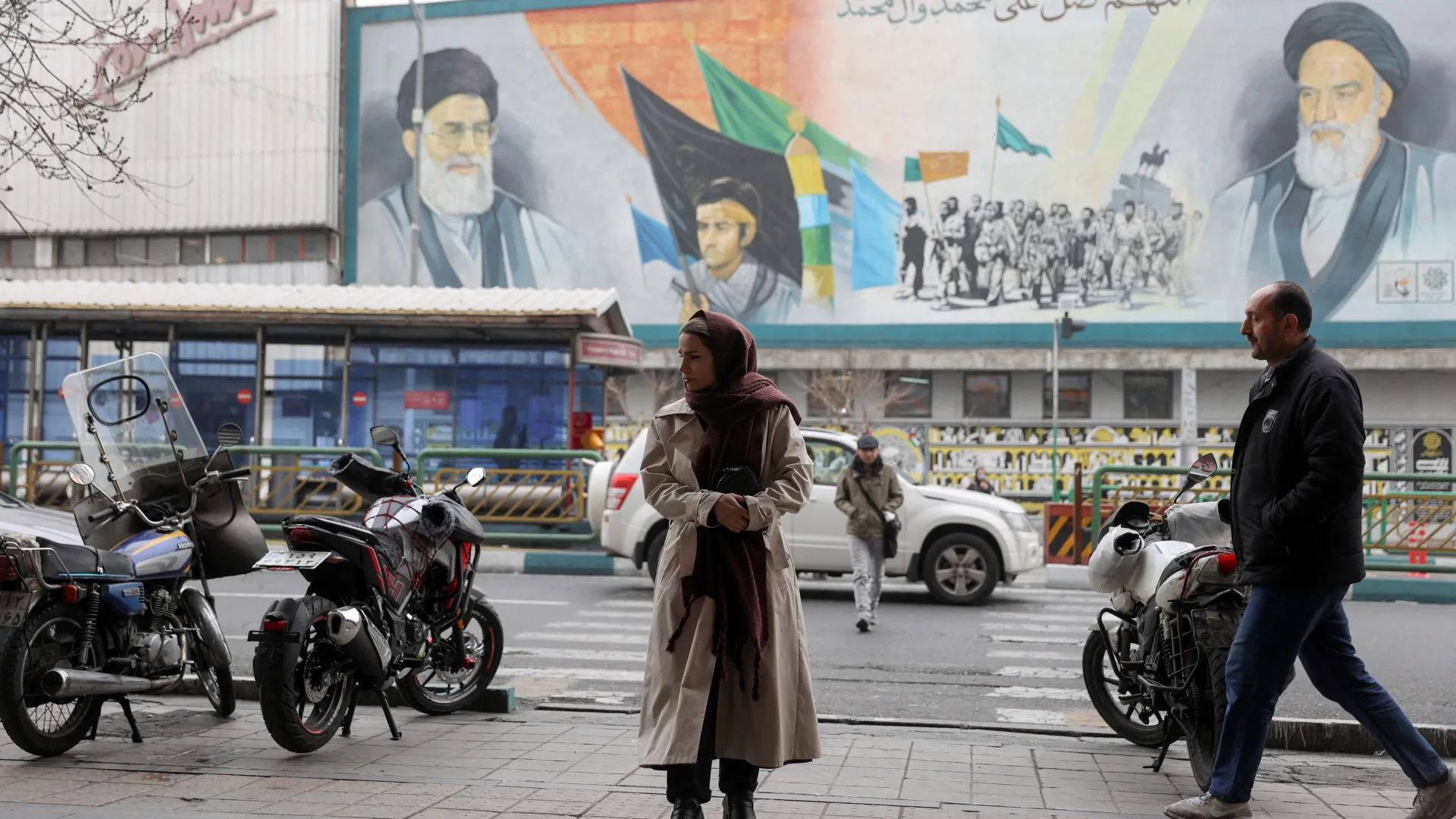
The arrests come amid public anger over the deaths of thousands of Iranians during nationwide unrest in January. The protests began in Tehran over worsening economic conditions before spreading across the country and turning into a broader challenge to the government.
Iranian officials have labelled the demonstrations as “riots” driven by foreign interference, blaming Israel and the United States. The government later said 3,117 people were killed, rejecting allegations by the United Nations and international rights groups that security forces were responsible for most of the deaths, which largely occurred over two nights in early January.
The US-based Human Rights Activists News Agency (HRANA) has reported significantly higher figures, saying it has confirmed 6,961 deaths and is investigating more than 11,700 additional cases. HRANA also estimates that more than 51,000 people were arrested during and after the protests.
UN Special Rapporteur on Iran Mai Sato has said that limited access to information and widespread internet restrictions make it difficult to verify figures, warning that the death toll could be substantially higher.
Political backlash
The Reformists Front had previously condemned the violence, describing it as a “national catastrophe” and calling for sweeping reforms and an independent investigation. It also warned it could dissolve if what it called the state’s “destructive methods” continued.
Last month, Mir Hossein Mousavi, a former reformist leader under house arrest since 2009, issued a sharply worded statement calling for a democratic transition and a constitutional referendum. Several people were later arrested for helping draft and circulate the statement.
Reporting from Tehran, Al Jazeera correspondent Tohid Asadi said the detained politicians face serious accusations but noted their long histories of activism and prior confrontations with the state.
“These figures have been through similar situations before,” Asadi said. “Their political background and past imprisonment suggest this could lead to further jail terms.”
Analysts say the latest arrests signal a broader attempt by Iranian authorities to deter dissent.
“This suggests the leadership is closing off remaining avenues for political opposition,” said Sina Azodi, director of the Middle East Studies programme at George Washington University. “The message is clear: dissent will be met with repression.”
Impact on US-Iran relations
The crackdown has unfolded as Iran and the United States resume indirect talks in Oman aimed at easing long-running tensions, including disputes over Iran’s nuclear programme.
US President Donald Trump previously warned Tehran against using force during the protests and has pushed for limits on Iran’s nuclear and missile activities. Iran’s Supreme Leader Ayatollah Ali Khamenei has warned that any attack on Iran could trigger a wider regional conflict.
Despite the arrests, analysts say negotiations are likely to continue. Phyllis Bennis, a fellow at the Institute for Policy Studies, said the detentions may not directly affect the talks but add to an already tense backdrop.
“The timing is significant,” she said, noting upcoming diplomatic engagements involving both Washington and Israel. “But whether this becomes central to negotiations remains to be seen.”
Another round of indirect talks between Tehran and Washington is expected next week.