

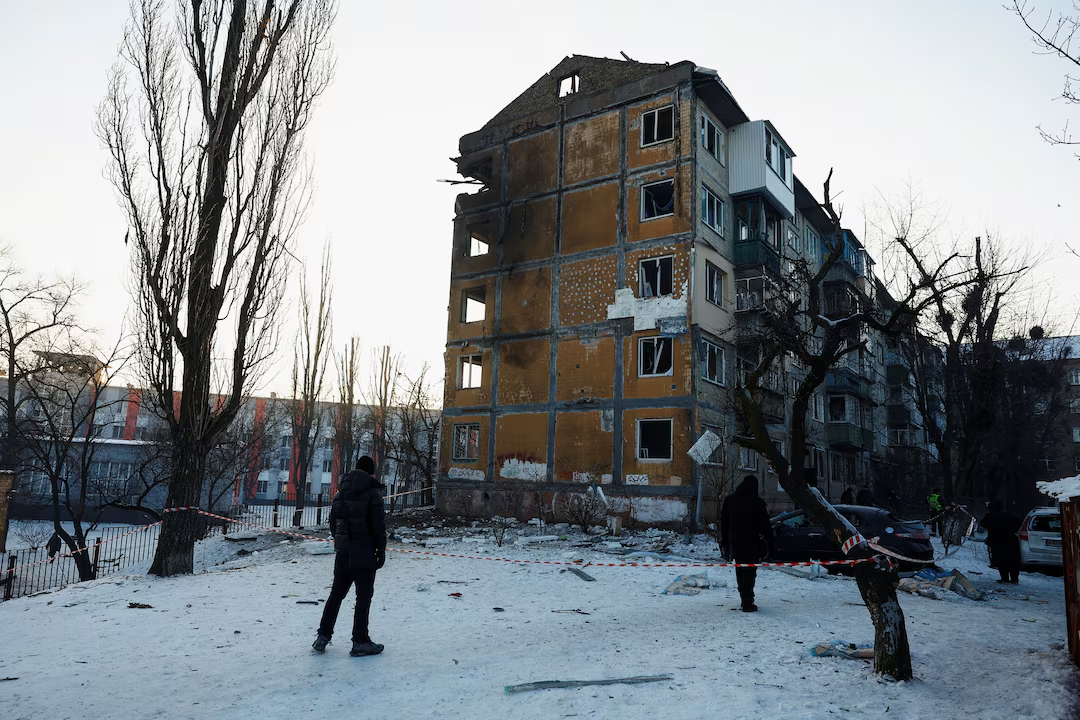
Russia carried out one of its largest aerial assaults in recent months on Tuesday, hitting Ukraine’s energy infrastructure with hundreds of drones and dozens of missiles and leaving vast numbers of civilians without heating during sub-zero temperatures, Ukrainian officials said.
The overnight attacks struck multiple regions, including the capital Kyiv and the northeastern city of Kharkiv, a day before new peace talks involving Russian, Ukrainian and US representatives were due to begin.
Ukraine’s energy ministry said the strikes hit facilities across eight regions, ending a brief and disputed pause in attacks on energy infrastructure. Authorities said Russia launched about 450 drones and more than 70 missiles, wounding at least nine people and damaging both residential buildings and power systems.
Temperatures in some areas fell to around minus 20 degrees Celsius (minus 4 Fahrenheit), worsening the impact of power and heating outages.
‘Terror and Escalation’
Ukrainian President Volodymyr Zelenskiy accused Moscow of deliberately exploiting extreme winter conditions.
“Taking advantage of the coldest days of winter to terrorise people is more important to Russia than resorting to diplomacy,” Zelenskiy wrote on Telegram, saying Moscow had chosen “terror and escalation”.
He was referring to talks scheduled for Wednesday and Thursday in Abu Dhabi, where US officials are attempting to broker progress toward ending the war that began with Russia’s full-scale invasion of Ukraine in February 2022.
Previous trilateral talks in late January failed to deliver movement on territorial issues, with Russia demanding further land concessions in eastern Ukraine — conditions Kyiv has rejected.
Heating Cut to Hundreds of Thousands
Ukrainian officials said the latest strikes knocked out electricity and heat supplies to large residential areas. Energy facilities that provide hot water and heating to homes were among the targets.
Prime Minister and Energy Minister Denys Shmyhal said hundreds of thousands of families, including children, were left without heat as temperatures dropped as low as minus 25 degrees Celsius.
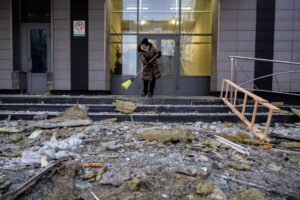
In Kyiv, local authorities said more than 1,100 apartment buildings lost heating. Tymur Tkachenko, head of the city’s military administration, said damage was recorded in five districts, including three apartment blocks and a building housing a kindergarten.
Reuters reporters in the capital heard multiple explosions shortly after midnight, while air raid alerts remained in place for more than five hours.
Kharkiv and Other Regions Hit
In Kharkiv, Mayor Ihor Terekhov said the strikes focused on energy infrastructure, cutting heat to more than 800 buildings. Water was drained from heating systems to prevent pipes from freezing.
“The goal is obvious — to cause maximum destruction and leave the city without heat in severe cold,” Terekhov said.
Deputy Prime Minister Oleksiy Kuleba said about 110,000 properties in Kharkiv were left without heating.
Ukraine’s public broadcaster reported that electricity was also knocked out in the towns of Izium and Balakliia in the Kharkiv region, while two apartment buildings were hit in the northern city of Sumy.
Pressure Ahead of Diplomacy
The attacks come as Kyiv faces pressure from Washington to engage in peace talks, even as Russian forces continue advances on parts of the front line. Ukraine and Russia said last week they had halted strikes on each other’s energy systems, but disagreed on when the moratorium began and accused each other of violations.
Ukrainian officials say the renewed bombardment suggests Moscow is seeking to weaken civilian morale and infrastructure ahead of diplomatic talks.
Despite battlefield setbacks, Zelenskiy has said Ukraine is ready for “substantive” negotiations, while both sides continue to blame each other for the lack of progress toward a ceasefire.